If you are thinking about selling in Prince George’s County, here is the truth: price, prep, and timing work together. A strong sale is rarely about picking a number and hoping for the best. It is about reading your local market, getting your home ready in the right way, and launching when you are actually prepared. Let’s dive in.
Prince George’s County market snapshot
Prince George’s County is active, but it is not a market where sellers can ignore strategy. Recent county data show a median sale price of $448,654 over the three months ending May 2026, with homes selling after a median 40 days on market and 723 homes sold in May.
At the same time, active listings have increased year over year, and the county sale-to-list ratio is around 100%. That tells you buyers are still paying close to asking when a home is priced and presented well, but it also means an overpriced listing can lose momentum fast.
Why 20740 matters for pricing
If your home is in or near 20740, you need to look closer than county averages. This ZIP code has shown a typical home value of $442,359, a median sale price near $455,940, about 32 days on market, and roughly 3 offers per home in recent months.
That matters because micro-markets can behave differently from the county as a whole. A pricing plan that makes sense in one part of Prince George’s County may miss the mark in another. Your list price should come from nearby comparable sales and current buyer behavior, not from one countywide headline number.
Price from comps, not guesswork
Start with recent closed sales
The best place to begin is with recent closed sales that match your home’s property type, size, condition, and location. Closed sales show what buyers have actually paid, which is more useful than looking at active listings alone.
Active listings can help you understand the competition, but they do not tell you what the market has accepted. In a balanced market, that difference matters.
Separate detached, attached, and condos
Not all homes should be priced the same way. County data for May 2026 show a large gap between average sold prices for detached homes at $514,492 and attached homes at $360,148.
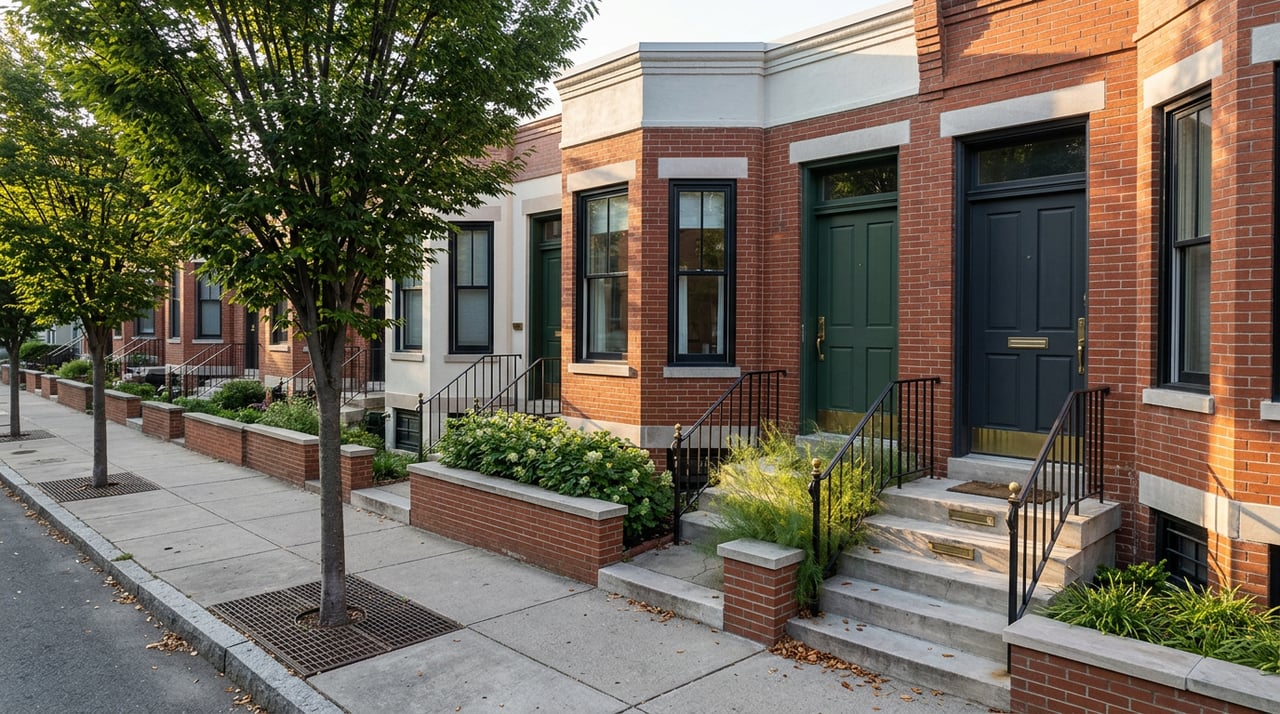
That spread is too wide to use one generic pricing rule. If you own a townhouse, condo, or detached home, your pricing strategy should reflect your exact category.
Adjust for condition and updates
Even the right comp is only the starting point. You also need to adjust for condition, layout, upgrades, and any features that make your home stronger or weaker than the recent sales around it.
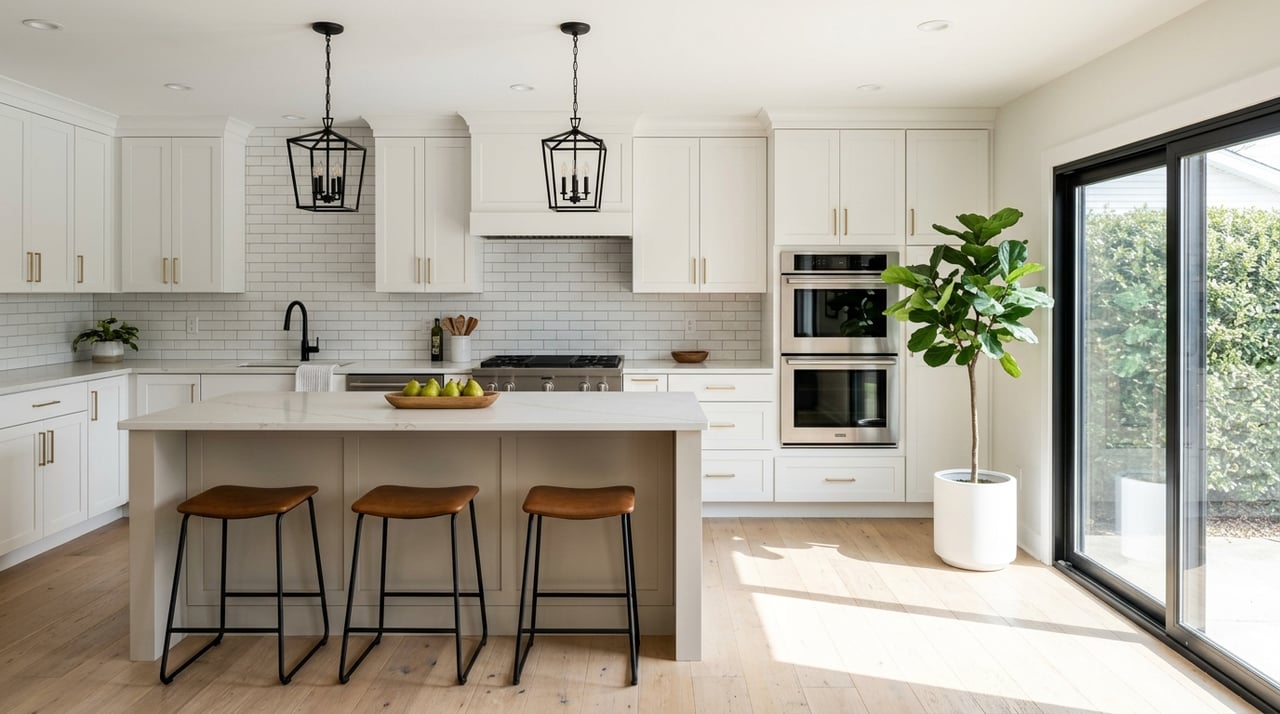
A refreshed, photo-ready home can often compete differently than a similar property that needs work. Buyers compare value quickly, so condition has a real impact on pricing power.
Do not use tax assessment as your list price
It is common for sellers to look at assessed value and assume that number should guide pricing. In Prince George’s County, that can be misleading because property is reassessed on a three-year cycle.
That means the assessed value may lag behind the market or run ahead of it depending on timing. It is fine as a reference point, but it should not be your main pricing tool.
Protect your bottom line early
Price is not just about what you hope to sell for. It is also about what you expect to keep after the sale.
Prince George’s County finance materials show a county transfer tax rate of 1.4% on its finance affidavit. Before you settle on a list price, it is smart to review a net proceeds estimate so you understand how taxes and other closing costs affect your final number.
Prep the home buyers will actually notice
Focus on visible exterior issues first
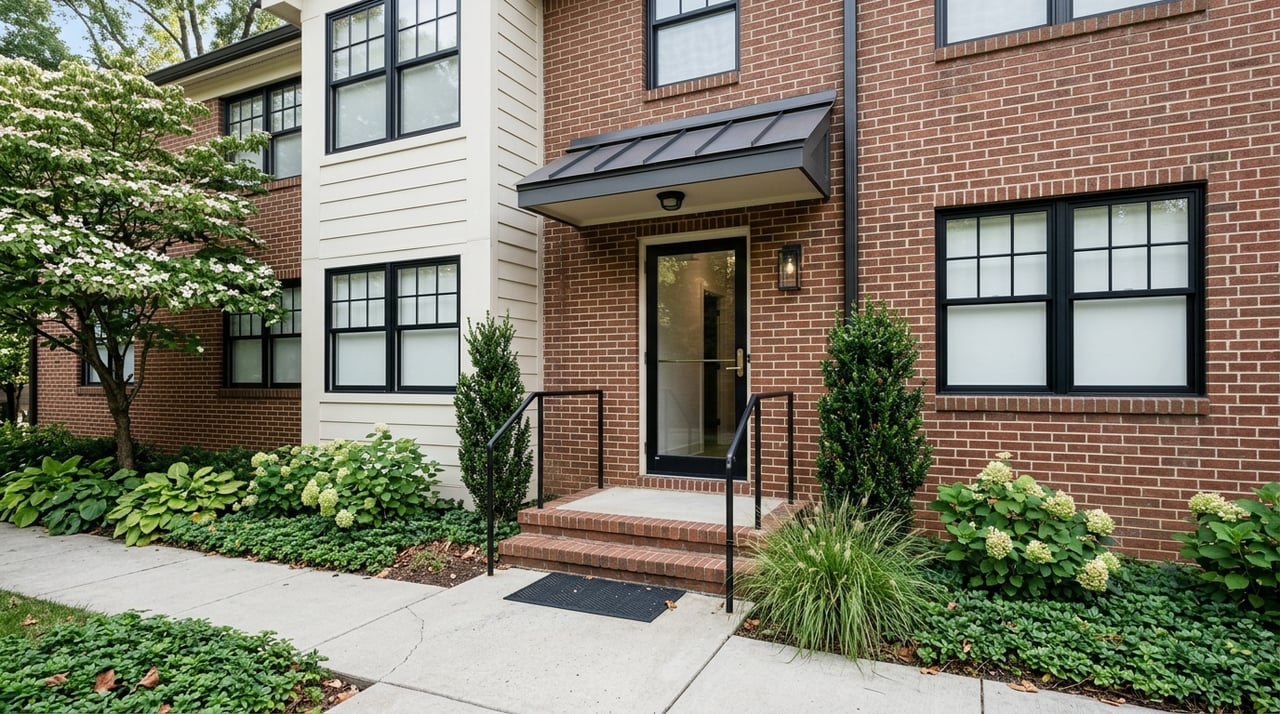
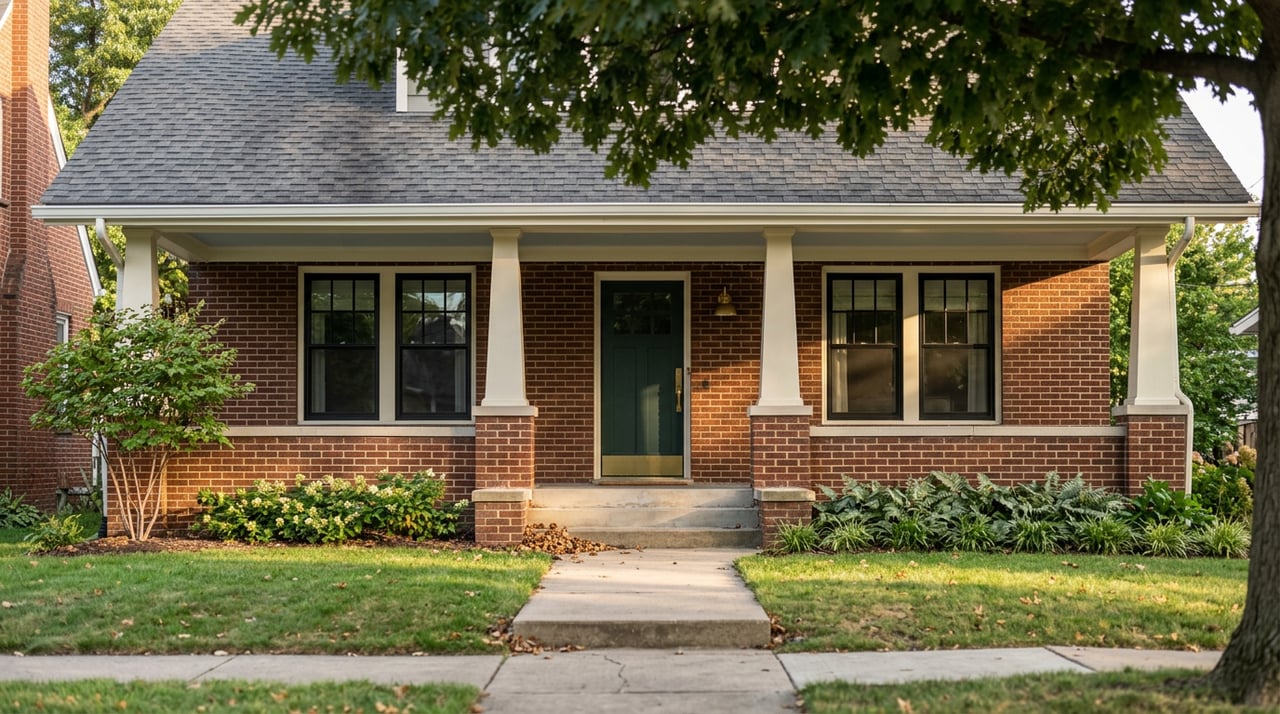
In many cases, the easiest wins are outside. Prince George’s County code enforcement standards require exterior properties to be maintained in a clean, safe, and sanitary condition. The county also notes that weeds should not exceed 12 inches and peeling, flaking, or chipped paint should be removed and repainted.
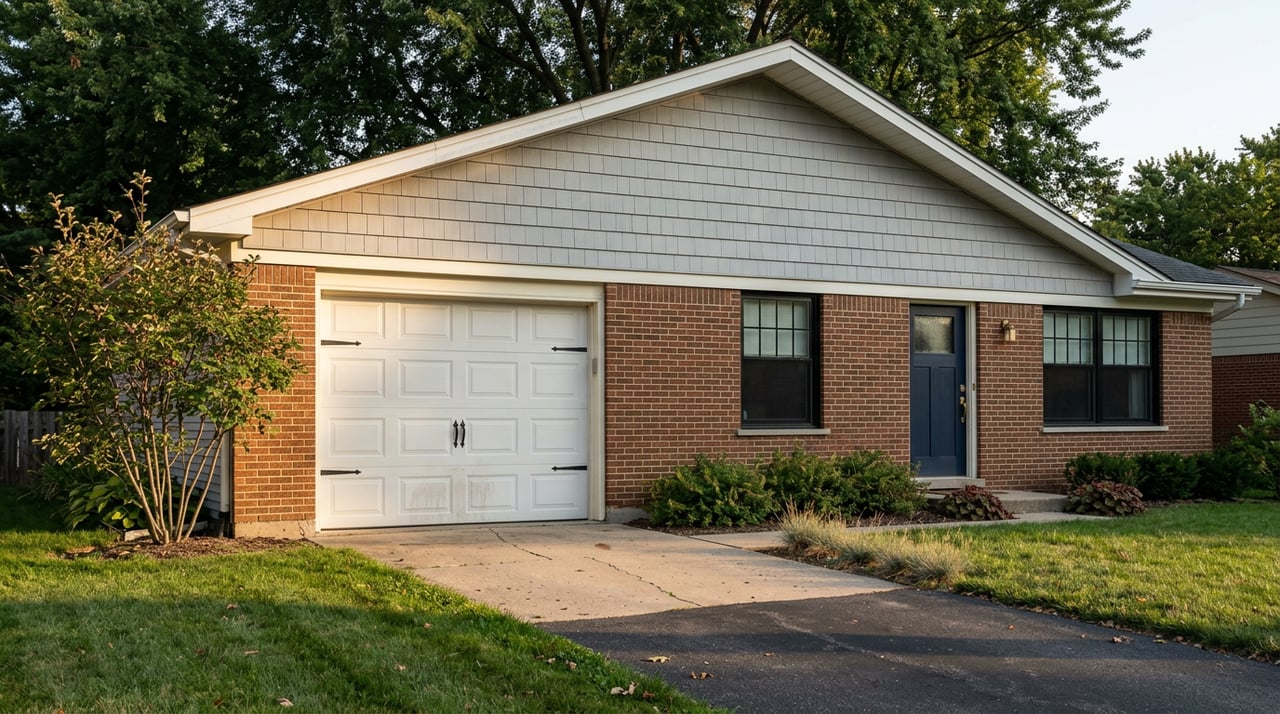
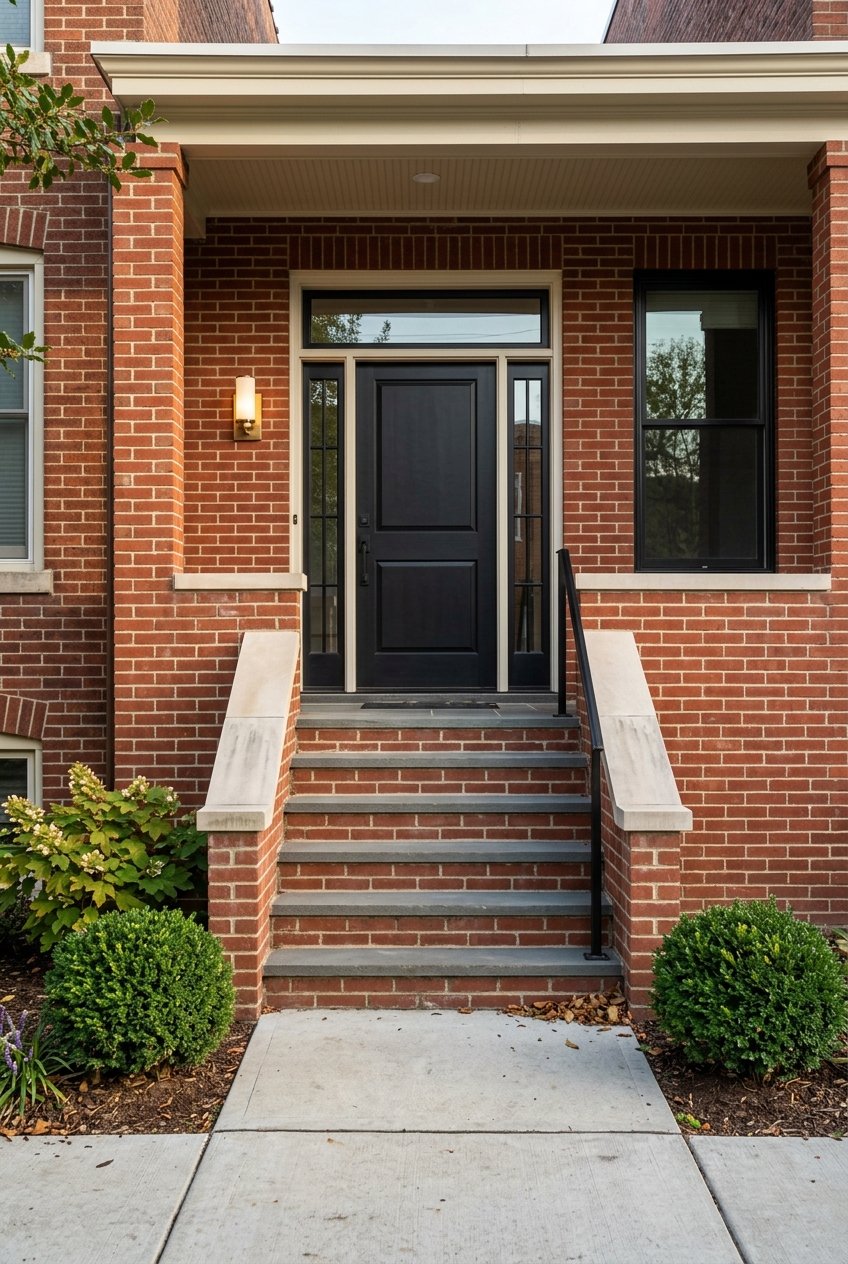
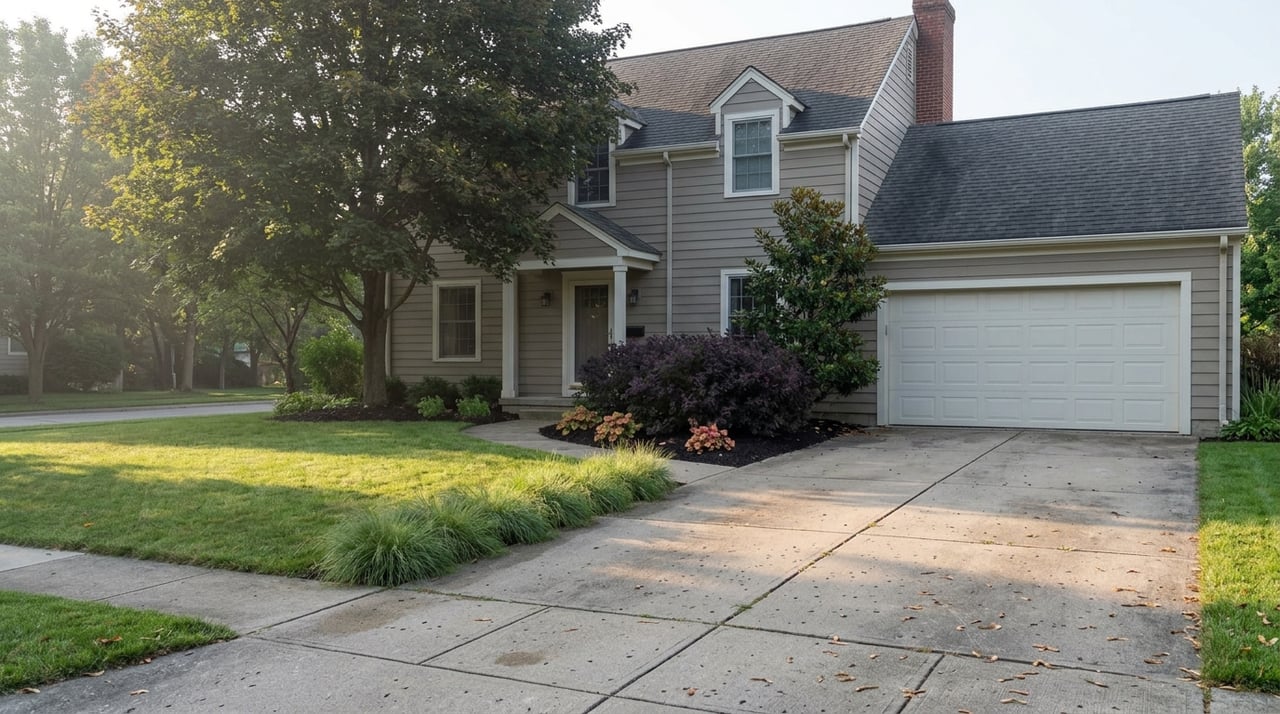
For sellers, that makes curb appeal more than a cosmetic detail. Lawn cleanup, paint touch-ups, gutter and downspout repairs, and removal of exterior hazards can improve buyer confidence before anyone steps inside.
Fix items that can slow a sale
Not every small imperfection needs to be repaired before listing. What matters most are issues that affect buyer confidence, inspection results, or financing.
If you know about leaks, safety concerns, damaged surfaces, or unfinished projects, those items deserve attention first. Buyers can overlook minor wear, but they tend to react strongly to signs of deferred maintenance.
Gather permit records before listing
Permit history can become a major issue during a sale. Prince George’s County states that many common improvement projects require permits and inspections, including decks, porches, basement alterations, and certain electrical or mechanical work.
The county has also warned buyers to walk away from unpermitted construction or require the seller to resolve permits before closing. If you have completed work over the years, this is the time to gather records and confirm what was properly permitted.
Get your disclosures ready before go-live
Maryland disclosure rules matter
If you are selling applicable single-family residential property in Maryland, you must use the state disclosure or disclaimer form. Under Maryland law, a seller who chooses the disclaimer option still must disclose latent defects the seller actually knows about.
That means paperwork is not something to leave until the last minute. A cleaner, more organized disclosure process helps reduce surprises once your home is on the market.
Older homes need lead-paint planning
If your home was built before 1978, lead-based paint rules apply. Sellers must disclose any known lead-based paint or lead-based paint hazards before the contract is signed, provide the required pamphlet, and give buyers a 10-day opportunity for a paint inspection or risk assessment.
For older Prince George’s County homes, this should be part of your pre-listing checklist. Knowing your home’s age and any paint history early can help you avoid delays later.
Timing your sale in Prince George’s County
Prepare before the spring rush
Seasonality still plays a role in Prince George’s County. County reports in 2026 showed a sharp jump in spring activity, including stronger closed sales and pending sales in March and April, followed by continued momentum in May.
The key takeaway is simple: the market tends to reward homes that are ready before buyer activity peaks. If you wait until spring to start repairs, paperwork, and pricing, you may miss the best launch window.
Watch the county tax calendar
Timing is not only about buyer demand. It is also about your county obligations.
Prince George’s County issues property tax bills in July, with taxes due September 30 unless paid semiannually. The county also notes that unpaid real property taxes remaining by the second Monday in May are sold at the annual tax sale. If you are planning to sell, review any outstanding tax items and expected prorations well before settlement week.
A practical seller timeline
Selling a home in Prince George’s County should feel like a plan, not a scramble. A workable timeline often starts months before the listing goes live.
Here is a simple framework:
- Decide whether your home needs repairs, permit cleanup, or a light refresh
- Review neighborhood comps and estimate likely net proceeds
- Organize disclosure paperwork, permit records, and any lead-paint information if applicable
- Launch only when the home is clean, priced well, and photo-ready
Depending on your home and your next move, that process may take anywhere from several weeks to many months. The more lead time you give yourself, the more control you usually have over pricing, preparation, and negotiations.
If you also need to buy next
If your sale is tied to your next purchase, timing becomes even more important. You need a strategy that looks at your likely sale window, your expected proceeds, and how quickly you may need to move once your home goes under contract.
That is where planning early can make the whole process less stressful. When you understand your likely pricing range and prep timeline upfront, it is easier to make smart decisions about your next home without feeling rushed.
Selling in Prince George’s County is not about chasing a perfect moment. It is about putting the right numbers, the right prep, and the right timeline behind your move. If you want a finance-forward plan built around your home, your goals, and your neighborhood, connect with Catrina Jackson and Let’s Connect.
FAQs
How should you price a home in Prince George’s County?
- Start with recent closed sales that match your property type, location, size, and condition. County averages can provide context, but neighborhood comps and condition adjustments should drive the final pricing strategy.
What should you fix before listing a home in Prince George’s County?
- Focus first on issues that affect buyer confidence, inspections, financing, or code compliance. Exterior cleanup, peeling paint, gutter repairs, hazard removal, and known maintenance problems usually deserve priority.
What disclosures do Maryland home sellers need before listing?
- Sellers of applicable single-family residential property in Maryland must use the state disclosure or disclaimer form. If the home was built before 1978, lead-based paint disclosure requirements also apply.
Why do permit records matter when selling a home in Prince George’s County?
- Buyers may question unpermitted work, and unresolved permit issues can slow or derail closing. Gathering records for projects like decks, porches, basement work, and certain electrical or mechanical updates can help the sale move more smoothly.
When is the best time to list a home in Prince George’s County?
- Spring activity is often strong, but the best timing depends on when your home is fully ready. In many cases, sellers benefit most when repairs, paperwork, pricing, and photos are completed before peak buyer demand arrives.
Should you use your tax assessment to price your Prince George’s County home?
- No. County assessment values can lag or lead the market because reassessments happen on a three-year cycle. They can be a reference point, but they should not replace a comp-based pricing analysis.