Wondering what everyday life on Capitol Hill actually feels like once you get past the postcards and landmarks? If you are thinking about buying here, that question matters just as much as price or square footage. Capitol Hill offers a mix of historic homes, pocket parks, walkable streets, and transit access that can shape your routine in real ways. Let’s dive in.
Capitol Hill at a glance
Capitol Hill is a compact planning area of about 3.1 square miles located east of the U.S. Capitol and entirely within Ward 6. DC planning describes it as a largely residential neighborhood with a grid-and-diagonal street pattern that follows the L’Enfant Plan. That layout helps create a place that feels dense, historic, and easy to understand on foot.
Another important detail is how activity is distributed. Instead of commercial spaces showing up evenly across the neighborhood, much of the retail and daily foot traffic centers on a few key corridors. For you as a buyer, that can mean a quieter feel on many residential blocks and a livelier atmosphere once you get closer to major streets.
Homes on Capitol Hill
Rowhouses define the streetscape
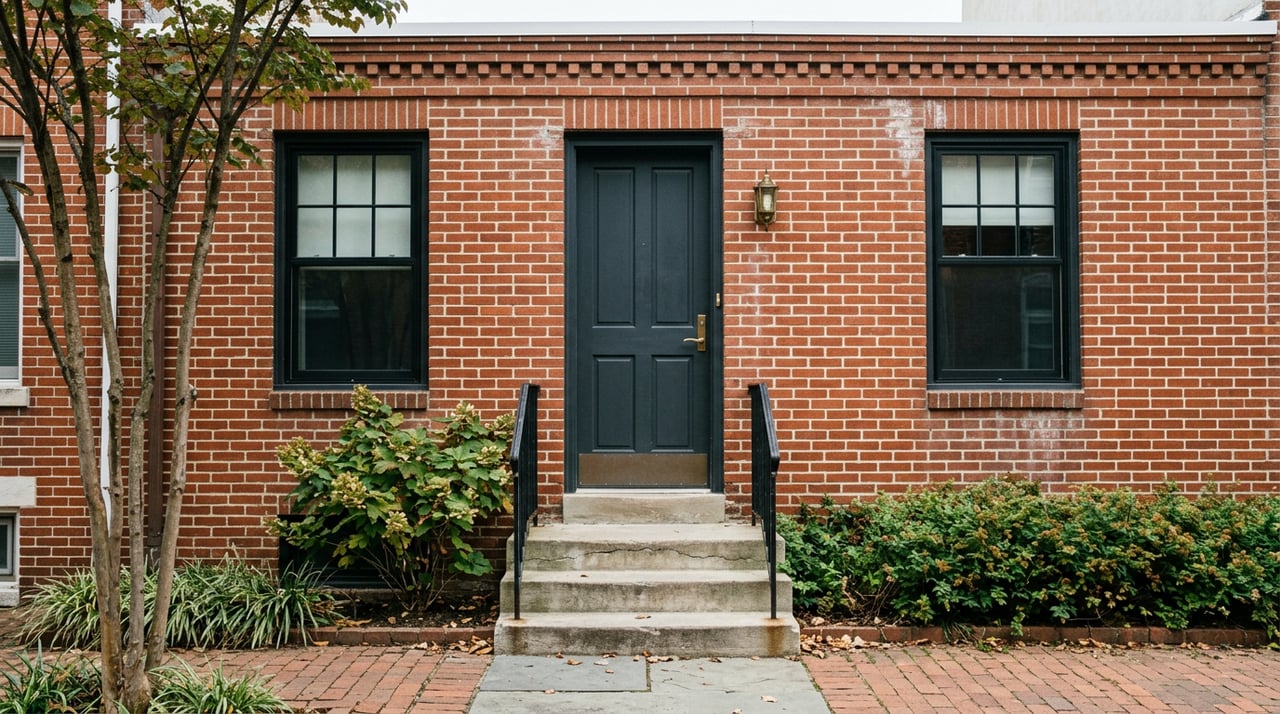
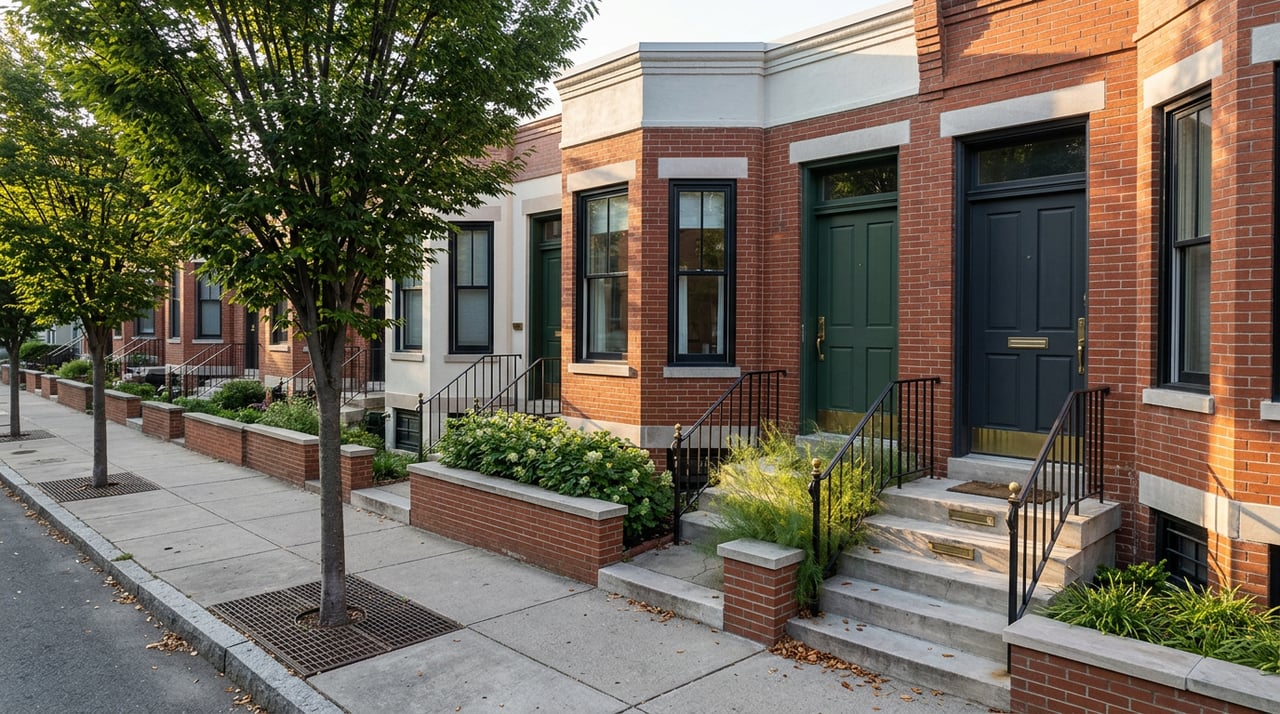
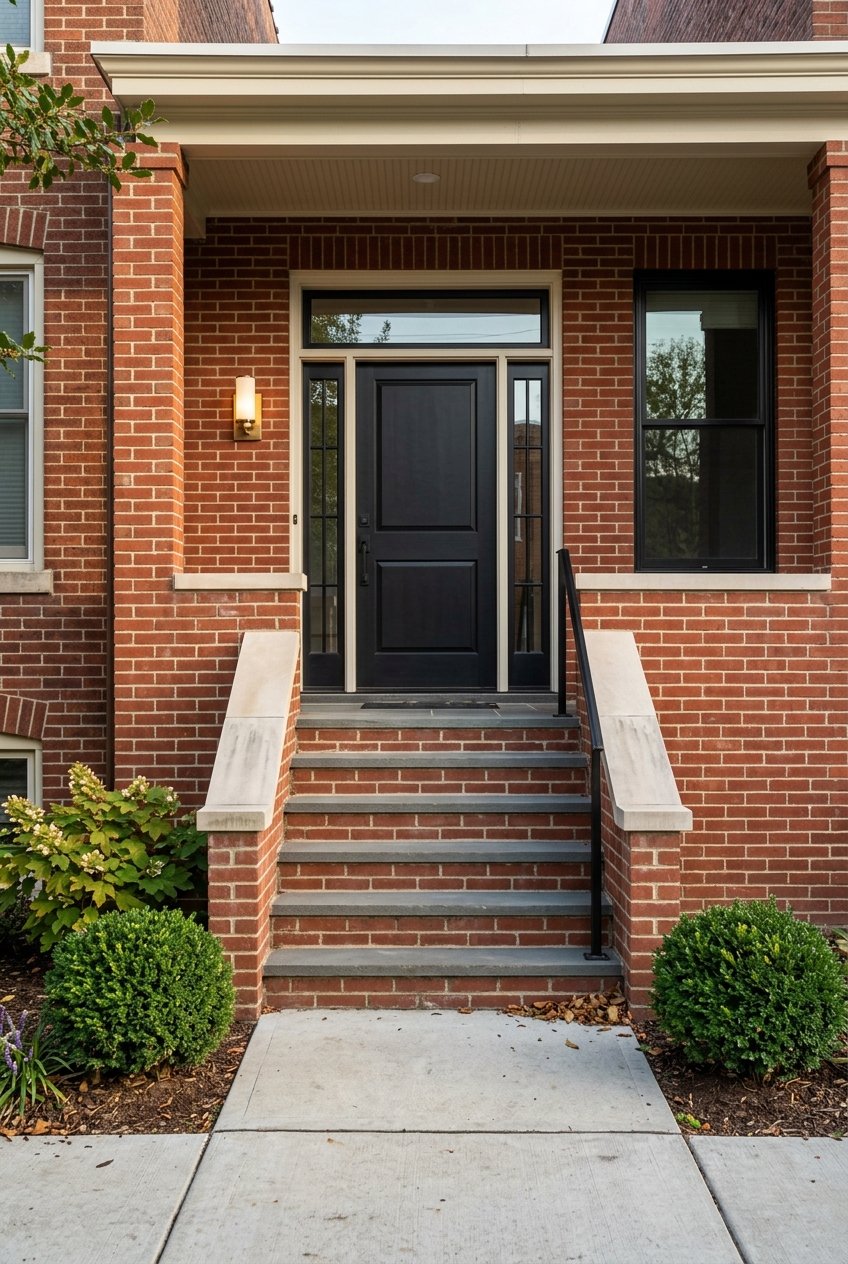
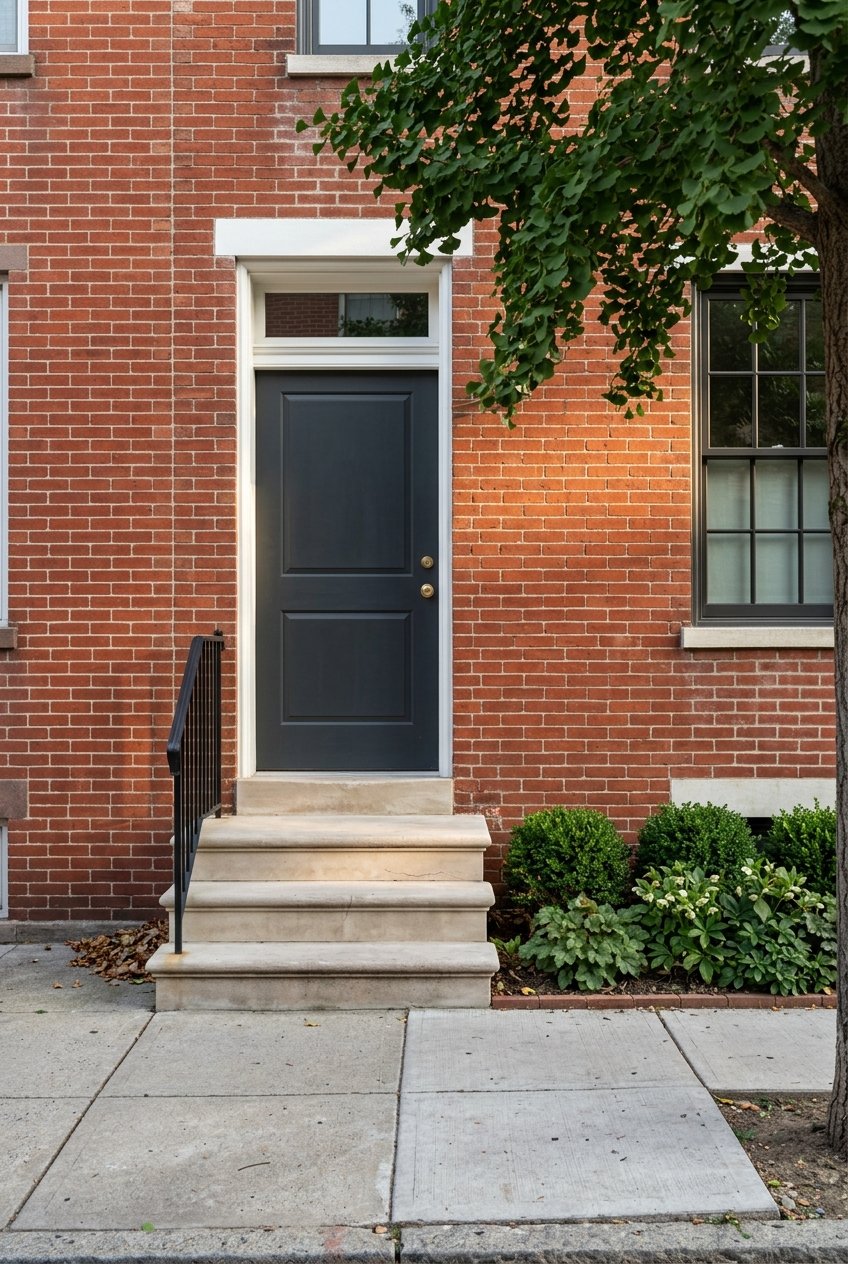
Capitol Hill is one of DC’s oldest residential neighborhoods, and its housing fabric reflects that history. Planning documents describe roughly 8,000 buildings and 200 city squares, with late-19th- and early-20th-century rowhouses forming much of the neighborhood’s visual identity. Brick Queen Anne, Italianate, Romanesque Revival, and other Victorian-era styles are especially common.
If you are home shopping here, you will likely notice that the appeal is not only about the house itself. The broader streetscape matters too. Tree-lined blocks, alley houses, and small corner commercial buildings all contribute to the look and feel of the neighborhood.
The housing mix is broader than many buyers expect
Rowhouses may dominate, but Capitol Hill is not one-note. Planning materials also point to wood-frame rowhouses in Rosedale, flats and small apartments in some sections, and later apartment buildings designed to fit the scale of nearby blocks. The neighborhood also includes condominium buildings created through conversions, such as the Logan School conversion into a 24-unit condo building, along with some newer infill.
That means your home search may include more variety than you first assume. Depending on the block, you could be comparing a classic rowhouse, a smaller flat, or a condo in a converted building. In practical terms, Capitol Hill tends to read more like a low-rise rowhouse-and-conversion market than a high-rise district.
Historic context shapes buyer expectations
The Capitol Hill Historic District was designated locally in 1973, listed on the National Register in 1976, and expanded in 2015. Its period of significance runs from 1791 to 1945. For buyers, that helps explain why the neighborhood’s identity feels so consistent and why the setting itself is such a big part of the value.
If you are looking at homes here, it helps to think beyond finishes and floor plans. On Capitol Hill, the surrounding block, preserved architecture, and overall historic setting can be just as important to your day-to-day experience as what is inside the front door.
Parks and green space
Green space is woven into the neighborhood
One of Capitol Hill’s biggest lifestyle strengths is that open space is built into the neighborhood pattern. According to the National Park Service, the Capitol Hill Parks include Folger, Lincoln, Stanton, and Marion Parks, along with smaller spaces like Seward Square, Twining Square, the Maryland Avenue Triangles, the Pennsylvania Avenue medians, and dozens of inner-city triangles and squares.
That setup creates a different experience from a neighborhood built around one large signature park. Here, green space is spread throughout the area. As you move through the neighborhood, parks and small public spaces show up as part of the routine rather than as a separate destination.
Marion Park shows the local pace
Marion Park is one of the neighborhood’s most popular parks, with walkways, vegetation, a playground, and lawn space beneath ornamental trees. The park dates back to L’Enfant’s 1791 plan, which speaks to how long public space has been part of daily life here.
For buyers, that matters because these spaces influence the pace of a block. Even in a busy part of Washington, Capitol Hill often feels more residential and foot-friendly because the park network breaks up the urban fabric in a way that feels human-scaled.
Eastern Market Metro Park adds another layer
DC’s Eastern Market Metro Park project is intended to function like a town square, with improved park connectivity, multi-modal transit access, and green infrastructure. That is a useful clue about where the neighborhood is headed. Public space here is not just decorative. It supports how people move, gather, and spend time locally.
If you want a neighborhood where you can build errands, transit, and outdoor time into one routine, this part of Capitol Hill stands out. The pace feels active, but not purely car-oriented.
Daily rhythm and walkability
Most blocks feel residential
Eastern Market’s visitor information describes Capitol Hill as tree-lined, townhouse-heavy, and garden-rich. That lines up with what many buyers hope to find when they picture life here. The streets often feel intimate and neighborhood-centered, especially away from the biggest corridors.
At the same time, Capitol Hill is not sleepy. The neighborhood sits against one of the city’s strongest civic backdrops, so daily life can include both quiet residential blocks and the presence of major public institutions, visitors, and destination spaces.
Activity clusters along key corridors
DC planning describes Pennsylvania Avenue SE as Capitol Hill’s Main Street. Walkable shopping extends up 7th Street SE to Eastern Market and continues down 7th and 8th Streets SE through Barracks Row. Eastern Market is identified as a community gathering space, while Barracks Row is described as a neighborhood-serving retail center.
This concentration of activity helps explain the neighborhood’s rhythm. You can have a calm block-to-block residential experience, then reach restaurants, shops, prepared food, and public gathering spaces within a relatively short walk. Nearby, the H Street NE corridor adds another commercial edge just north of the Capitol.
Eastern Market is a major everyday anchor
Eastern Market has operated continuously since 1873 and remains one of the few historic public market buildings in Washington that still serves its original market function. Today, it combines indoor merchants, farmers market activity, and prepared foods.
For many residents, that creates a real lifestyle advantage. It is a place where errands, casual meals, and weekend browsing can happen in the same trip. If you value neighborhood routines that feel local and easy to repeat, Eastern Market is one of the clearest examples on Capitol Hill.
Commuting and getting around
Metro and rail expand your options
Capitol Hill is well served by transit. Capitol South, Eastern Market, and Potomac Avenue all serve the Orange, Blue, and Silver lines. Union Station serves the Red Line and also connects to Amtrak, MARC, VRE, and Greyhound.
That kind of access can shape how you think about daily life. Depending on your work location and schedule, many trips can be handled without relying on a car for every errand or commute.
Walking and bike-share fit the neighborhood
WMATA lists bike-share access at these stations, and DC’s Pennsylvania Avenue public-life study emphasizes the pedestrian experience and multi-modal transit access. In plain terms, Capitol Hill is built in a way that supports walking, transit, and shorter local trips.
That does not mean every household will make the same choice about transportation. Car ownership may still be useful depending on your work pattern, parking preferences, and other day-to-day needs. Still, the neighborhood gives you more than one way to move through your week.
What buyers should take away
Capitol Hill tends to attract buyers who want more than just a home. They want a neighborhood where architecture, parks, transit, and daily conveniences all work together. Here, the housing stock is largely low-rise and historic, the green space is woven into the street grid, and the busiest retail energy is concentrated in places like Eastern Market, Pennsylvania Avenue SE, and Barracks Row.
If that sounds like your style, the next step is to look closely at block-by-block differences. On Capitol Hill, small shifts in location can change your home type, your park access, and your daily rhythm. A focused strategy can help you match the right property to the kind of routine you actually want.
If you are thinking about buying in Capitol Hill or anywhere in the DMV, Catrina Jackson can help you make a smart, numbers-backed plan with local insight and clear guidance. Let’s Connect.
FAQs
What types of homes are common on Capitol Hill?
- Capitol Hill is known primarily for late-19th- and early-20th-century rowhouses, but you will also find flats, small apartments, condo conversions, and some newer infill.
What does daily life on Capitol Hill feel like?
- Daily life on Capitol Hill often feels historic, low-rise, and residential on most blocks, with more activity concentrated along corridors like Pennsylvania Avenue SE, Eastern Market, and Barracks Row.
What parks and green spaces are part of Capitol Hill?
- Capitol Hill includes Folger, Lincoln, Stanton, and Marion Parks, plus smaller spaces like Seward Square, Twining Square, Maryland Avenue triangles, Pennsylvania Avenue medians, and many smaller squares.
How walkable is Capitol Hill for everyday errands?
- Capitol Hill is highly walkable around Eastern Market, Pennsylvania Avenue SE, and Barracks Row, with planning documents specifically highlighting the pedestrian experience.
How do many Capitol Hill residents commute?
- Many residents use Metro through Capitol South, Eastern Market, Potomac Avenue, and Union Station, with additional regional rail options and bike-share access at multiple stations.