If you are thinking about buying your first investment property, Waldorf may seem like a smart place to start. It offers suburban housing, a strong owner-occupied base, and home prices that can feel more approachable than some other parts of the DMV. But for a first-time investor, the real question is not just whether you can buy there. It is whether the numbers, risk, and long-term potential match your goals. Let’s dive in.
Waldorf at a glance
Waldorf looks like a classic suburban market with a meaningful rental segment, but it is not a renter-dominated area. According to the 2020-2024 ACS 5-year estimate, Waldorf has 31,417 housing units, with 74.9% owner-occupied and 25.1% renter-occupied. That tells you right away that this is a market where homeownership leads the landscape.
The same data shows a median household income of $116,089, a median gross rent of $1,995, and a median owner-occupied home value of $407,600. Mean commute time comes in at 41.1 minutes, which points to Waldorf functioning as a commuter-heavy suburb for many households. For an investor, that can support steady demand, but it does not automatically create strong monthly cash flow.
What the current market says
Recent pricing data suggests Waldorf is steady, but not especially fast-moving. Zillow places the average Waldorf home value at $435,952, which is down 1.0% year over year. Redfin reports a median sale price of $419,998, down 1.2% year over year, with homes taking 74 days to sell and getting about 2 offers on average.
On the rental side, Zillow shows an average rent of $2,500, with 3-bedroom homes averaging about $2,600. That rent level matters because much of Waldorf’s housing stock leans toward larger homes, not compact rental-friendly multifamily inventory. In simple terms, the area can work for buy-and-hold investing, but it is not flashing signs of an easy, high-margin rental market.
Property types you are most likely to find
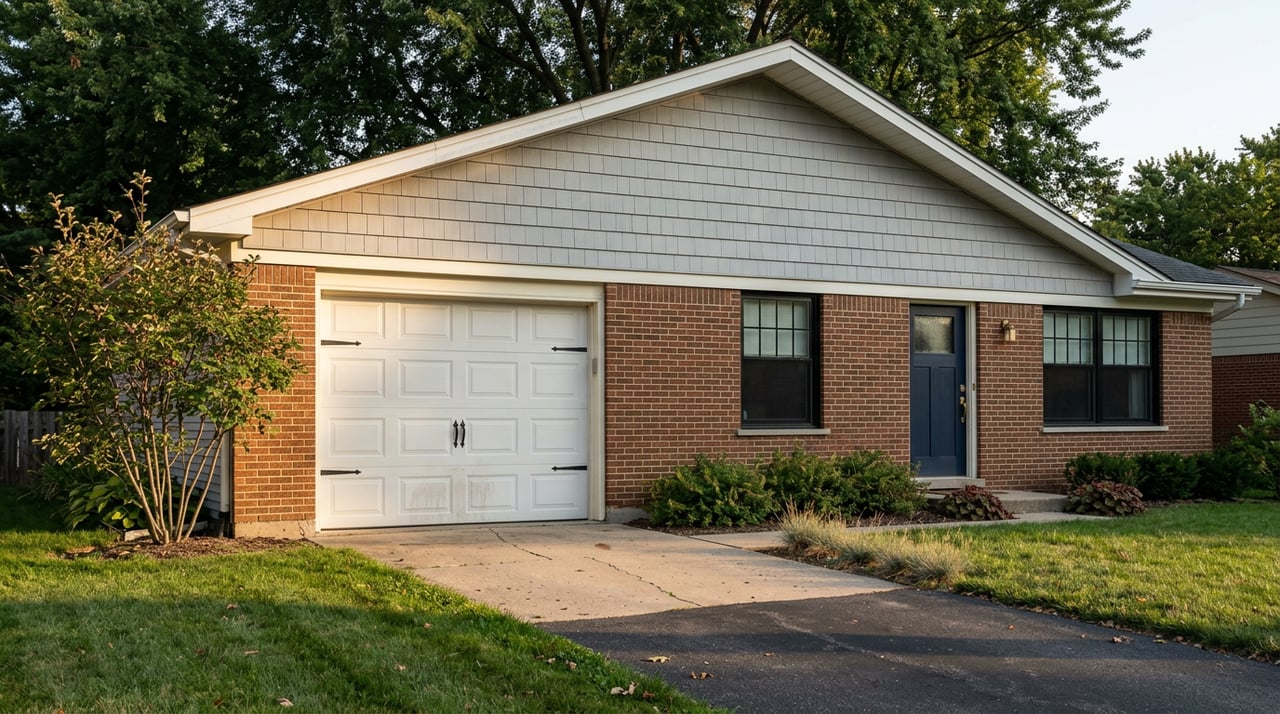
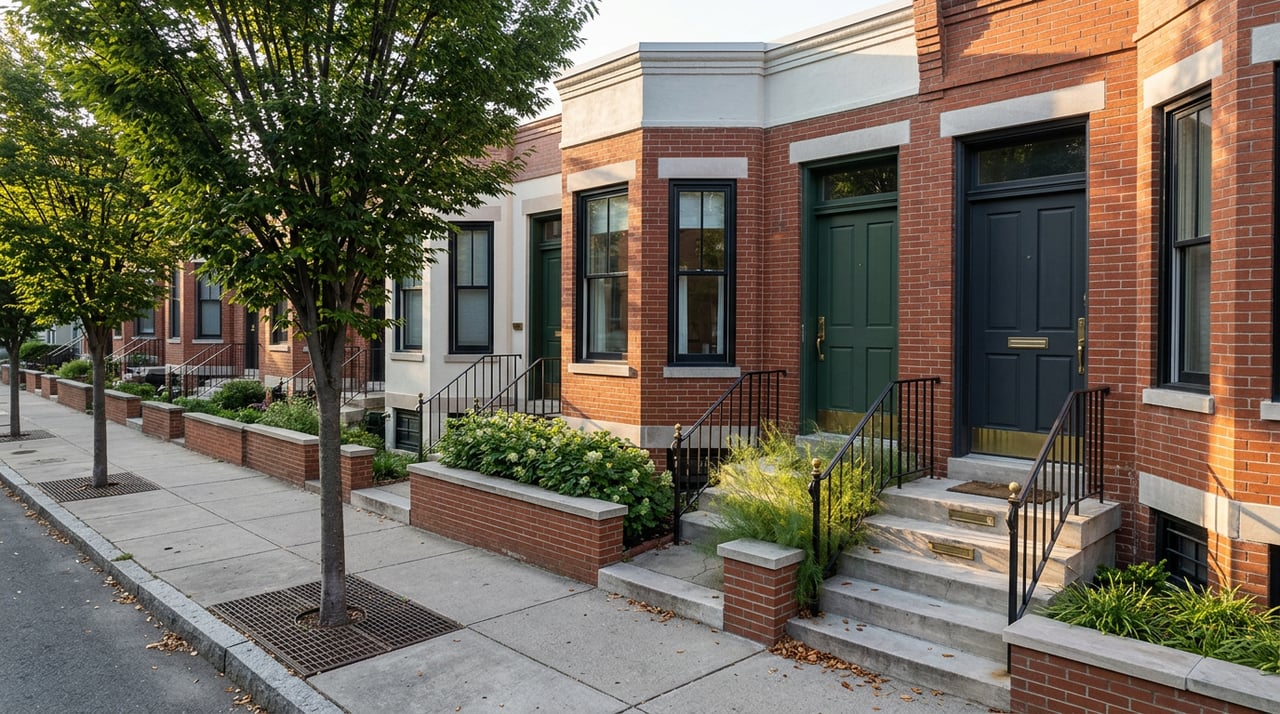
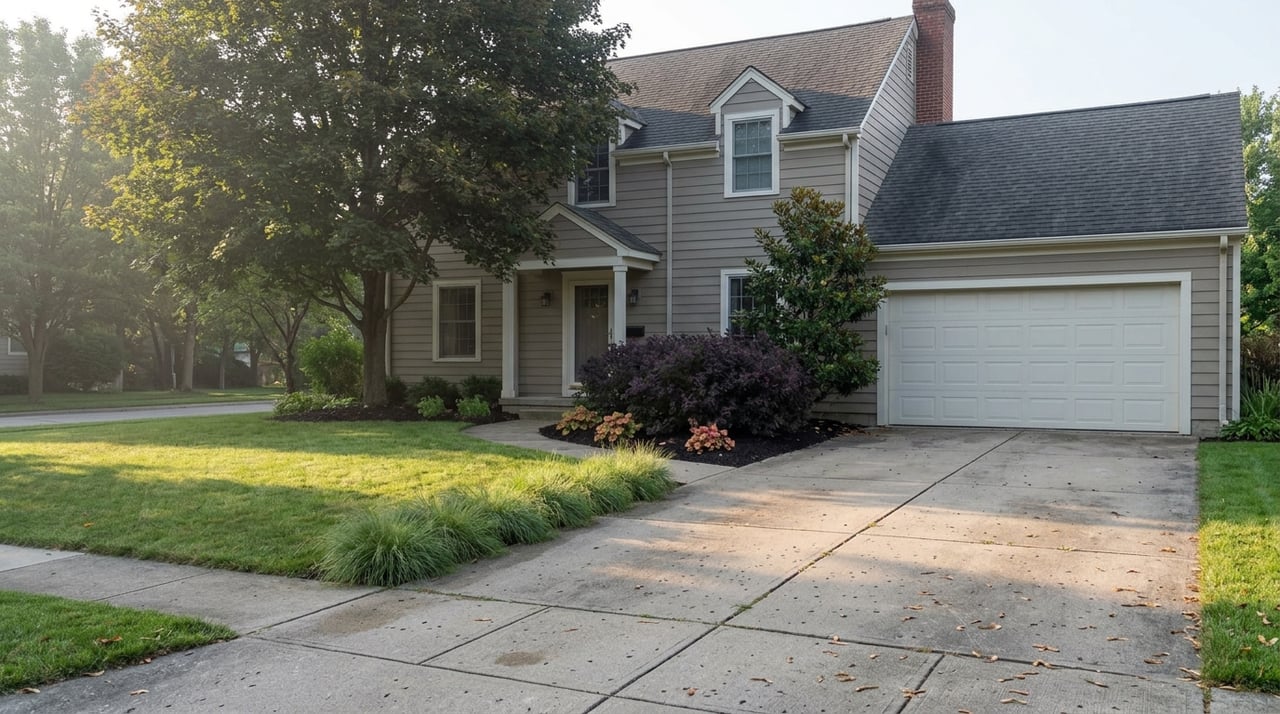
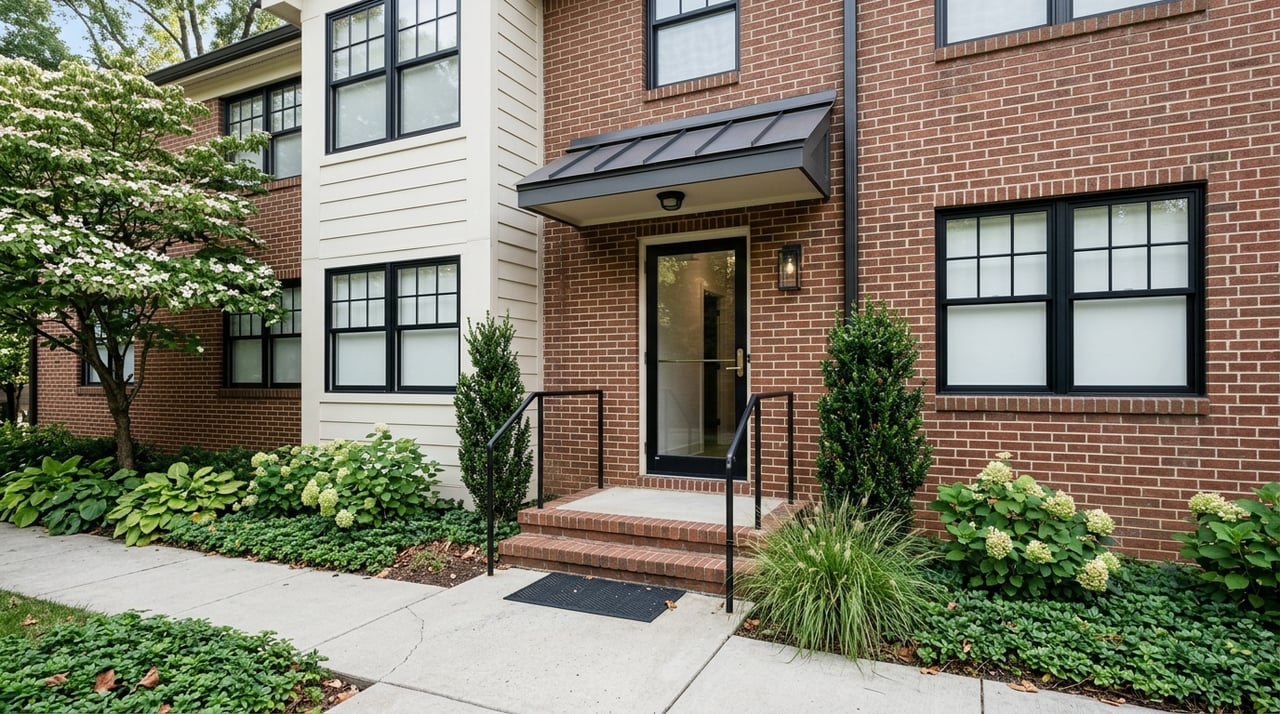
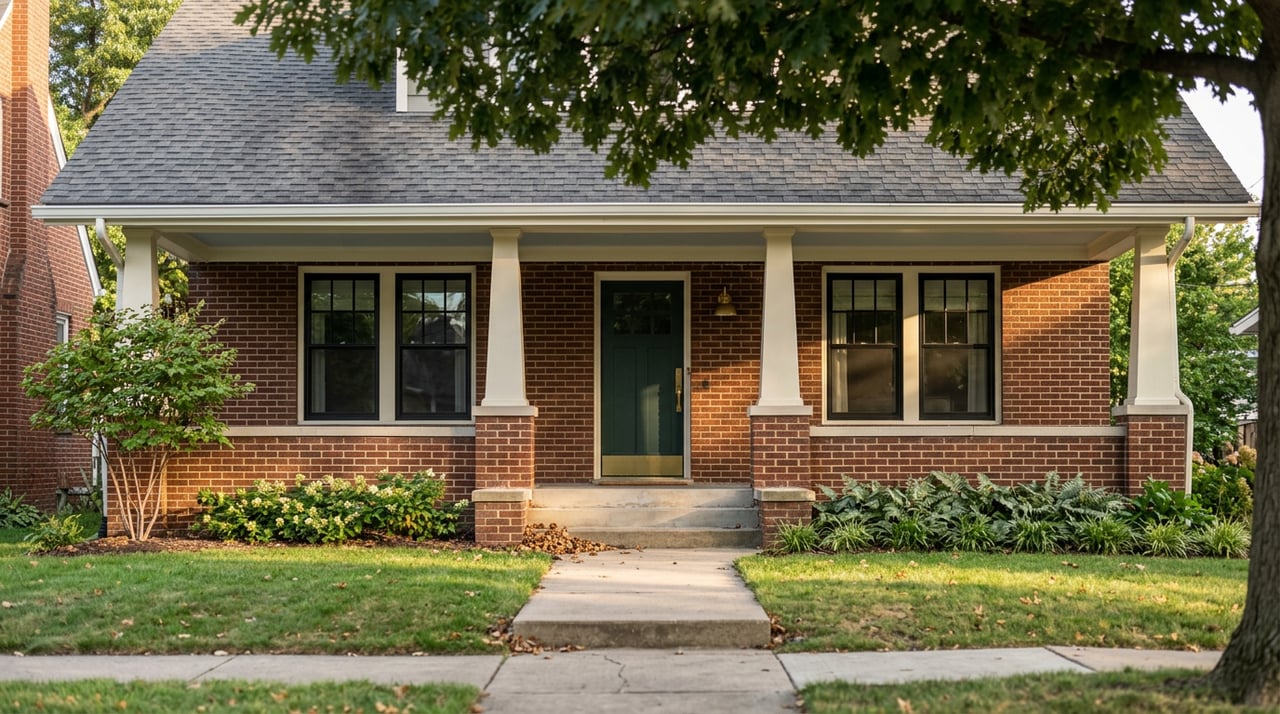
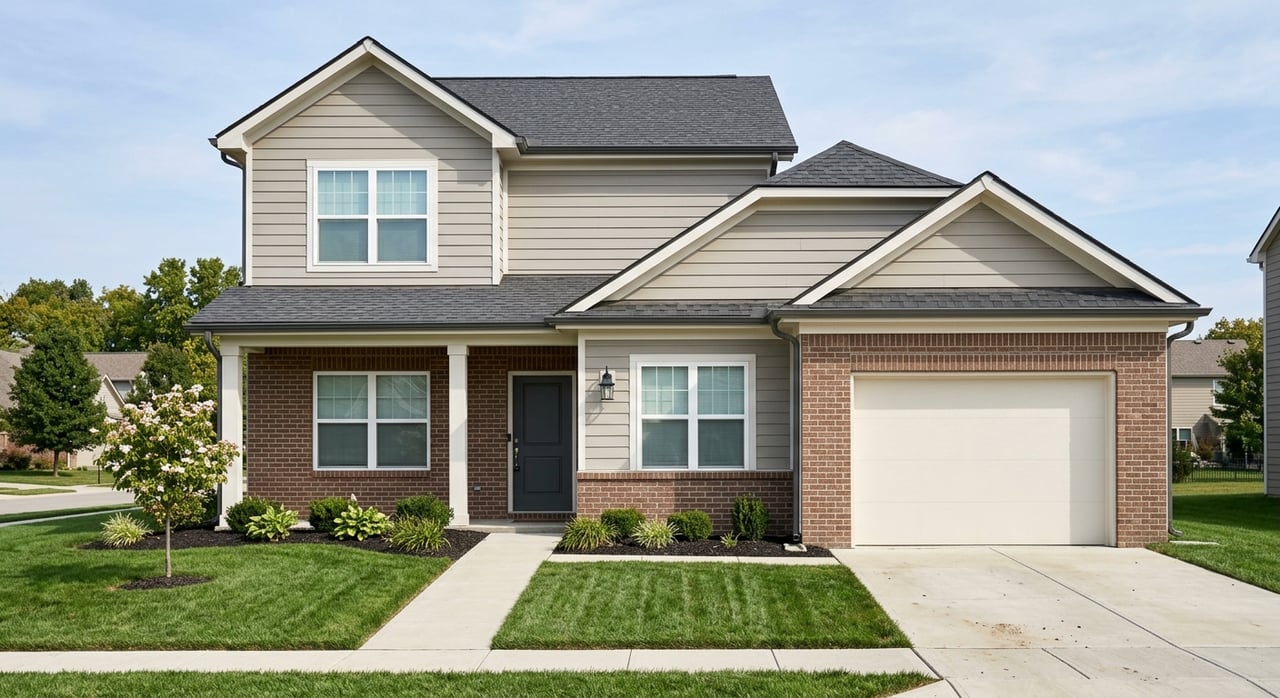
If you picture your first investment as a duplex or triplex, Waldorf may not line up with that plan. The local housing stock is dominated by single-unit homes. ACS data shows 56.0% of units are 1-unit detached homes and 28.2% are 1-unit attached homes.
Small multifamily options are limited. Buildings with 3 to 4 units make up only 1.7% of housing units, while 5 to 9 unit buildings account for 2.8%. Two-unit properties are essentially negligible in the data, so a classic house-hack setup may be harder to find here than in other markets.
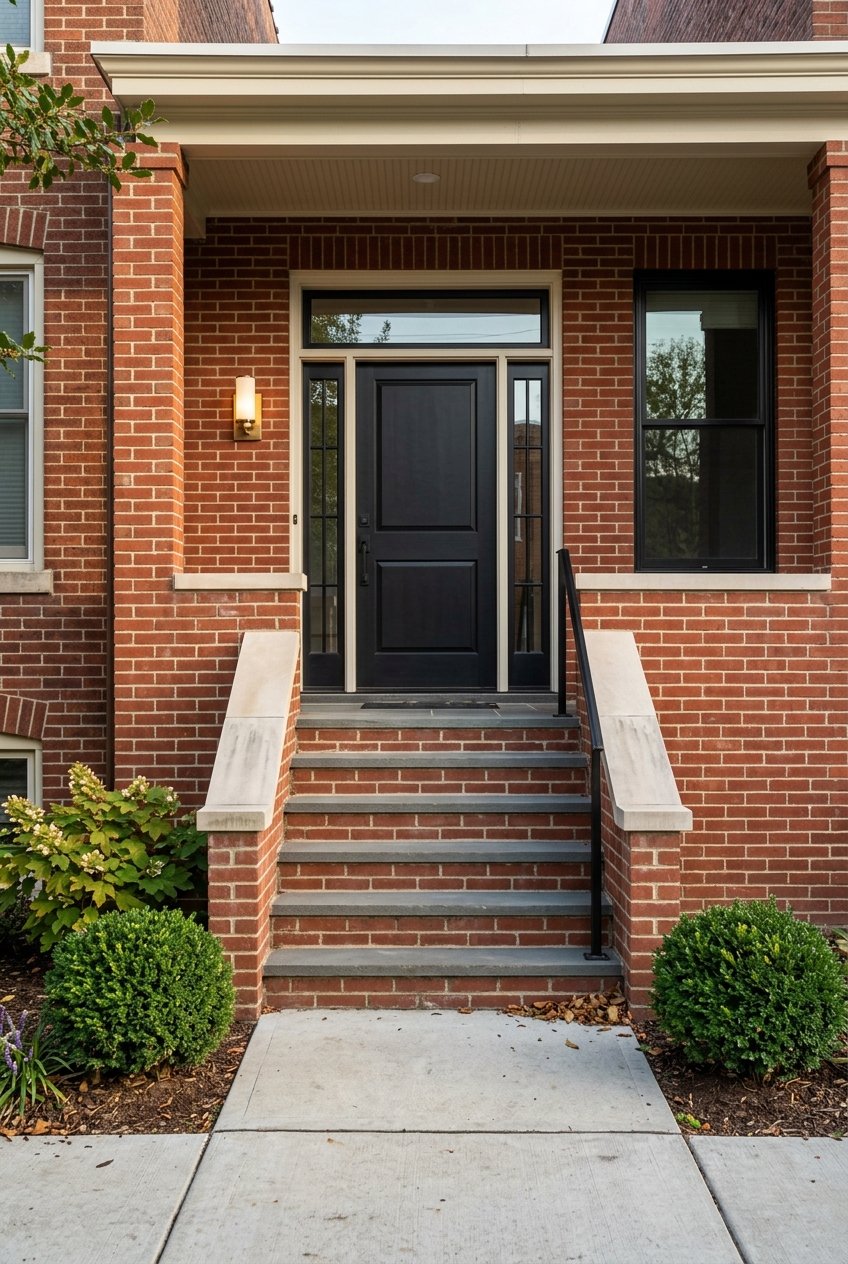
Bedroom counts also skew larger. About 40.6% of homes have 3 bedrooms and 32.8% have 4 bedrooms. For a first investor, that means the most realistic opportunities are often townhomes or detached 3- to 4-bedroom homes rather than smaller multifamily buildings.
Rent-to-price math matters here
This is where Waldorf becomes a more selective play for first-time investors. Using the ACS median value of $407,600 and median gross rent of $1,995, the gross rent yield is about 5.9%. Using Zillow’s current figures of $435,952 for average home value and $2,500 for average rent, the gross yield is about 6.9%.
At first glance, that may not look bad. The challenge is that gross yield is only a starting point. It does not include taxes, insurance, maintenance, vacancy, or management.
Charles County’s FY2026 real property tax rate is $1.141 per $100 of assessed value. On a $435,952 purchase, that works out to roughly $415 per month in property tax alone. That is a meaningful expense before you even get to the mortgage.
Using Freddie Mac’s 30-year mortgage rate of 6.37% as of May 7, 2026, a buyer putting 20% down on a $435,952 home would face about $2,175 per month in principal and interest. Add the county property tax, and the monthly carry reaches about $2,589 before insurance, repairs, vacancy, or professional management.
Against Zillow’s average rent of $2,500, that puts you about $89 per month in the negative before those other costs. Even if you use the lower ACS median home value of $407,600, the margin is still thin. The report notes that a 20% down purchase leaves only about $79 per month before the same added costs, and at 25% down, the cushion is only about $47 per month.
What that means for a first investor
If your goal is strong positive cash flow on day one, Waldorf is likely not your easiest first market. The math suggests that many deals will feel tight unless you buy well, bring solid reserves, or find a property with a rent advantage over the average. That does not make Waldorf a bad investment area. It simply means you need to enter with clear expectations.
For a first-time investor, thin margins can create stress. If a repair comes up, a tenant move-out lasts longer than expected, or insurance costs rise, your monthly numbers can change fast. In a market like this, discipline matters more than optimism.
Waldorf may work better as a long-term hold
The stronger case for Waldorf is long-term ownership rather than immediate income. Charles County’s FHFA all-transactions house price index rose from 198.44 in 2021 to 249.32 in 2025. That is about 25.6% total growth, or roughly 5.9% annualized.
That is a healthy long-term trend, but the pace has cooled. From 2024 to 2025, the increase was only about 1.6%. That means it would be risky to assume a fast appreciation story will rescue a weak deal.
In other words, Waldorf may fit if you want a suburban hold with moderate appreciation potential over time. It is a weaker fit if you need appreciation to do all the heavy lifting or if you are counting on quick monthly profit from the start.
Rental demand is real, but not extremely tight
Waldorf does have a renter base that can support buy-and-hold ownership. The ACS rental vacancy rate is 4.1%, which suggests demand exists. At the same time, it is not so tight that landlords automatically have a wide safety margin.
The report also notes that 40.5% of renter households spend 35% or more of their income on rent. That can be a sign of affordability pressure in the rental market. For an investor, that means pricing strategy matters, and pushing rent beyond what the market comfortably supports may not be a safe plan.
The best fit for your first property
Based on the numbers, Waldorf is most likely to fit a first-time investor who wants:
- A long-term suburban buy-and-hold strategy
- A townhome or detached home rather than a duplex-style house-hack
- Moderate appreciation potential instead of big monthly cash flow
- Enough reserves to handle a thin initial margin
- A finance-first approach to evaluating each deal
The report specifically points to well-bought townhomes or detached 3- to 4-bedroom homes as the strongest candidates. That makes sense in a market where larger single-unit housing dominates the inventory.
When Waldorf may not be the right choice
Waldorf may be a weaker match if you want your first investment property to be simple, forgiving, and strongly cash-flow positive from the start. It may also disappoint investors who are set on small multifamily properties, since that inventory is limited here.
You may also want to pause if your budget only works when everything goes perfectly. In a market with narrow margins, there is less room for financing changes, repairs, vacancy, or slower rent growth. First investments often go better when you have a little breathing room.
How to evaluate a Waldorf deal wisely
If you are seriously considering Waldorf, focus on the details instead of the headline. Averages are useful, but individual properties can perform very differently.
Here are a few smart filters to use:
- Compare expected rent to the full monthly carry, not just the mortgage
- Factor in Charles County property taxes from the beginning
- Build in reserves for repairs, vacancy, and turnover
- Be cautious about assuming aggressive appreciation
- Prioritize properties that are well-priced relative to local rent potential
- Pay close attention to 3- and 4-bedroom townhomes or detached homes, since those align with the area’s housing stock
For a first investor, the right deal in Waldorf is likely the one that feels sustainable, not flashy. A property with manageable risk and a clear long-term plan will usually serve you better than one that only works on paper.
Final takeaway
Waldorf can be a fit for your first investment property, but only if your strategy matches what the market actually offers. This is not the strongest choice for easy day-one cash flow or abundant small multifamily options. It is a better fit for a patient investor who wants a suburban hold, understands thin margins, and is comfortable playing the long game.
That is exactly why clear underwriting matters. Before you buy, you want to know whether a property supports your financial goals, risk tolerance, and timeline, not just whether it looks good in a listing photo.
If you want a clear, numbers-driven conversation about whether Waldorf fits your first investment plan, Catrina Jackson can help you evaluate the opportunity with strategy, honesty, and local DMV insight.
FAQs
Is Waldorf, MD a good place for a first investment property?
- Waldorf can work for a first investment property if you want a long-term suburban hold with moderate appreciation potential, but it is generally not an easy cash-flow market based on current price, rent, tax, and financing data.
What property types are most common for investors in Waldorf?
- Waldorf’s housing stock is mostly 1-unit detached and 1-unit attached homes, so first-time investors are more likely to find townhomes or detached 3- to 4-bedroom homes than duplexes or small multifamily properties.
Does Waldorf offer strong rental cash flow for new investors?
- The research suggests cash flow is often thin. With current home values, property taxes, and mortgage rates, many deals may not produce strong positive monthly income after expenses.
How competitive is the Waldorf housing market right now?
- Current market tracking shows a mixed market, with home values and median sale prices slightly down year over year, homes taking about 74 days to sell, and receiving around 2 offers on average.
Is rental demand in Waldorf strong enough for buy-and-hold investing?
- Waldorf has a real rental base and a 4.1% rental vacancy rate, so demand exists, but the market does not appear extremely tight or especially forgiving for investors with narrow margins.
What should a first-time investor watch closely in Waldorf?
- You should pay close attention to full monthly carrying costs, Charles County property taxes, likely rent, reserves for repairs and vacancy, and whether the property still makes sense without depending on aggressive appreciation.