Wondering if you have to leave Silver Spring to get more bedrooms, a home office, or a little more breathing room? The good news is that you often do not. Silver Spring gives you a rare mix of housing choices, transit connections, and everyday convenience, which means a move-up plan can be more about changing your fit than giving up your lifestyle. Let’s dive in.
Why Silver Spring Works for Move-Up Buyers
Silver Spring stands out because it is not a one-size-fits-all market. It includes downtown condo living, townhome options, and detached-home pockets that all connect back to the same larger transit and amenity network. That gives you room to grow without automatically pushing you far from the places and routines you already use.
As of May 2026, the citywide median sale price was $639,617, with homes selling in a median of 29 days. The sale-to-list ratio was 101.2%, and 45.3% of homes sold above list price. In plain terms, that means buyers who want to move up in Silver Spring need a clear plan and a realistic budget from the start.
Think in Silver Spring Micro-Markets
One of the biggest mistakes move-up buyers make is treating Silver Spring like a single market. It is better understood as a group of micro-markets with different trade-offs in space, price, and access. That is what makes it possible to stay local while changing your housing type.
Downtown Silver Spring offers one end of the ladder, where condos recently showed a median sale price of $290,000 and new listings near $330,000. Silver Spring townhouses showed a median listing price of $484,000. Higher up the ladder, East Silver Spring had a recent median sale price of $645,000, while Woodside Park was about $1.05 million and North Silver Spring was about $1.1 million.
That price spread matters because it creates options. If your goal is more usable space without losing your connection to downtown, Metro, or MARC, your best answer may be a different part of Silver Spring, not a different market altogether.
Start With What You Need More Of
Before you tour homes, define what “more space” really means for you. Some buyers need another bedroom, while others need a dedicated office, better storage, or outdoor space. If you are clear on the upgrade you actually need, it becomes much easier to choose the right micro-market.
A practical move-up checklist might include:
- One more bedroom
- Space for a home office
- Lower shared-wall living
- Outdoor space
- Easier parking
- Storage for bikes, strollers, or seasonal items
- Walkable or transit-friendly access to downtown Silver Spring
This kind of clarity keeps you from overbuying. It also helps you protect the access and convenience that likely made Silver Spring attractive in the first place.
Downtown Condos Offer Access First
Downtown Silver Spring is the access-rich part of the market. The Paul S. Sarbanes Transit Center serves MARC rail, Metrorail, Metrobus, Ride On, taxis, and is planned to connect with the Purple Line and the Georgetown Branch Trail. WMATA also notes that Silver Spring station is attached to the transit center and sits steps from the central arts district in Downtown Silver Spring.
That is the upside of staying downtown. You are close to a dense mix of shops, restaurants, offices, and civic uses in an area that Montgomery Planning describes as a lively destination for surrounding communities. The trade-off is that downtown living usually gives you less private square footage and less separation between home and the activity around it.
For many owners, the move-up decision starts here. If you are outgrowing condo life, you may not need to leave Silver Spring. You may simply be ready for the next rung of the ladder.
Townhomes Are the Middle Step
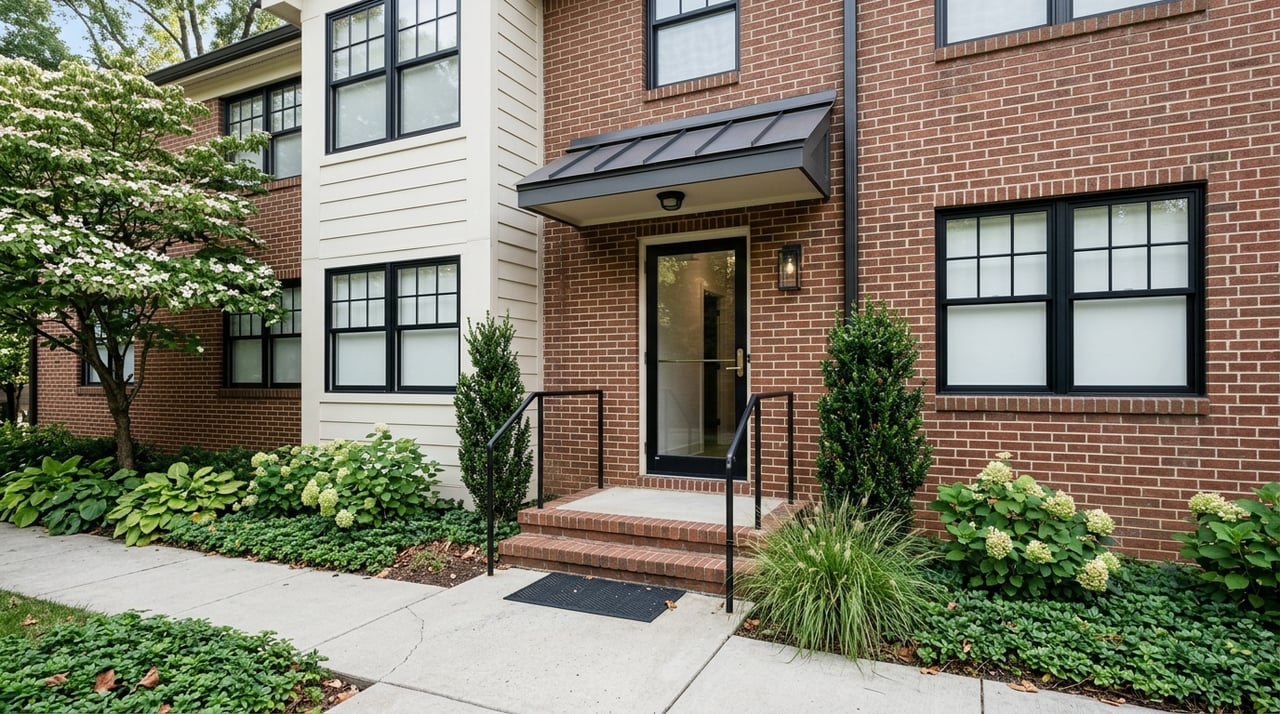
For many buyers, a townhome is the most practical move-up option. It can offer an extra bedroom, work-from-home flexibility, and some outdoor space without the price jump that often comes with detached homes in high-access areas. With a current median listing price of $484,000, townhomes often sit in the sweet spot between downtown condos and detached properties.
This option can make sense if you want more room but still care about efficiency. A townhome may give you a more comfortable daily layout while keeping you connected to the Silver Spring amenities you already use. That balance is why townhomes are often the smartest bridge step for condo owners.
Because the broader Silver Spring market is still active, this is not usually a slow search. If the right townhome hits the market, you may need to move quickly and make a clean, well-prepared offer.
Detached Homes Bring Space, but Prices Rise Fast
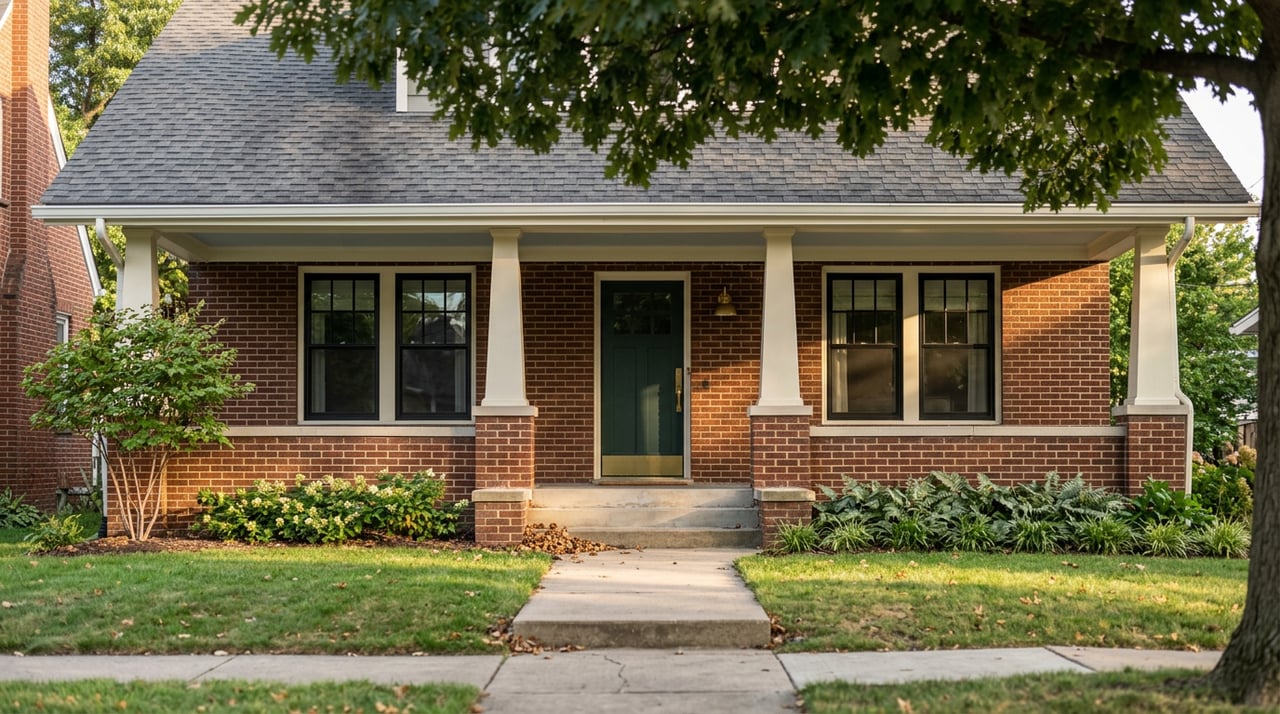
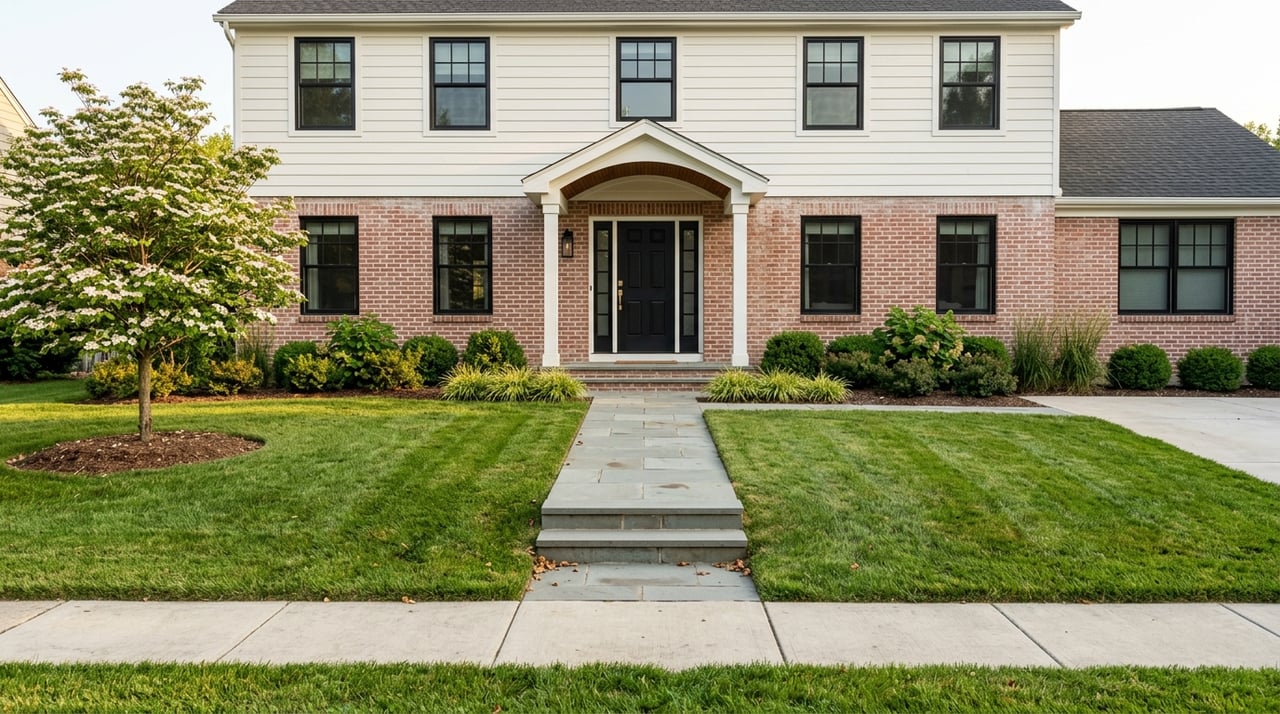
If your top priorities are more bedrooms, yard space, or privacy, detached homes may be the better fit. The key is choosing a pocket where that added space does not cut you off from transit and daily convenience. In Silver Spring, some neighborhoods do that better than others.
Greater Lyttonsville is a strong example of a transition area. Montgomery Planning describes it as an inner-ring suburb that is almost built out, with single-family homes, townhouses, condominiums, and both garden and high-rise apartments. The community also supports walking, biking, transit use, and driving, with the Capital Crescent Bike Trail running through the area before ending in Silver Spring.
Eastern Silver Spring also gives buyers a wide mix of housing types, including single-family houses, duplexes, condos, townhouses, and apartment buildings. Recent East Silver Spring sales ranged from a $300,000 condo to detached homes above $1.1 million, showing just how broad the options can be within one area. Its median sale price was recently $645,000, making it an important move-up market to watch.
Woodside Park is another key example for buyers who want a more residential setting while staying within the Silver Spring orbit. Recent data put its median sale price at about $1.05 million. It also sits within the expanded walkshed connected to the future Silver Spring Library Purple Line Station, which supports its appeal for buyers who want both space and access.
Access Is the Real Value to Protect
When you move up, square footage is only part of the decision. In Silver Spring, access is one of the biggest reasons people want to stay. That includes not just Metro, but a wider commute and mobility network that supports many ways to get around.
Downtown Silver Spring’s Transportation Management District includes Metro, MARC, Metrobus, Ride On, bikeshare, carpools, vanpools, biking, walking, and teleworking support. The county also notes that Silver Spring Metro is the busiest station in the Metrorail system, with more than 24,000 weekday trips. That is a major local advantage, and it shapes buyer demand across nearby neighborhoods.
There is also a long-term transit story here. Purple Line construction is active at Silver Spring station, and WMATA says a new mezzanine is planned to connect the future Purple Line station to Metro, MARC, and the transit center. There may be short-term detours and inconvenience during construction, but the larger takeaway is simple: Silver Spring’s transit network is expanding, not shrinking.
Walkability Means Different Things in Different Areas
Not every buyer defines access the same way. For some, it means being able to walk to the transit center. For others, it means staying close enough to downtown restaurants, the arts district, or a bike connection while gaining more space at home.
That is why the micro-market approach matters. A downtown condo gives you maximum convenience. A townhome or detached home in a nearby pocket may give you a different kind of access, where you trade a few minutes of proximity for a lot more usable space.
Montgomery Planning’s current direction supports that pattern. Preliminary recommendations for Eastern Silver Spring call for more housing choice and more diverse housing types near Purple Line stations and most BRT stations. That planning framework reinforces the idea that buyers may be able to gain space while staying tied to the same broader access network.
Budget Beyond the Purchase Price
Move-up buyers often focus on monthly payment and down payment, but closing costs matter too. In Montgomery County, the county transfer tax is typically 1% of the sale price. The Maryland state transfer tax is 0.5% of consideration, with a 0.25% rate for qualifying first-time Maryland homebuyers purchasing a principal residence.
The county also uses higher recordation tax tiers above $500,000. For a move-up purchase, that can materially affect how much cash you need at closing. If you are selling one home and buying another, these costs can influence your timing and how much flexibility you have during negotiations.
You should also account for recurring costs that may change by property type, such as:
- HOA or condo dues
- Parking costs
- Utility differences
- Maintenance and yard care
- Commuting costs if your location shifts
A finance-forward move-up plan is not just about what you can buy. It is about what you can buy comfortably while still protecting your lifestyle and long-term goals.
Timing Matters in a Competitive Market
Silver Spring’s current pace means timing is not a small detail. With homes selling in a median of 29 days and a sizable share closing above list price, you want to be ready before the right property appears. East Silver Spring, for example, has recently averaged about two offers per home and about 31 days on market.
That matters even more if you need proceeds from your current home. You do not want to identify the perfect next home before you have a realistic plan for listing, pricing, and selling your current one. In a move-up transaction, preparation reduces stress and protects your options.
A strong sequence often includes:
- Reviewing your current home value
- Setting a comfortable payment ceiling
- Estimating transfer and recordation taxes
- Identifying your must-haves versus nice-to-haves
- Mapping where you can trade space for access most effectively
- Preparing your current home for market if a sale is needed first
The Best Move-Up Strategy Is a Trade-Off Strategy
The smartest Silver Spring move-up decisions are rarely about getting the biggest house possible. They are about deciding which trade-offs make sense for your life right now. You may want to give up very little access and settle for a moderate size increase, or you may want a larger jump in space and accept a different daily routine.
That is where local, market-based guidance matters. Silver Spring gives you real choices, but the right choice depends on your finances, commute patterns, space needs, and comfort with timing. A clear strategy helps you move up with confidence instead of reacting under pressure.
If you are thinking about your next move in Silver Spring, the goal is not just to buy more house. It is to buy better alignment between how you live now and how you want to live next. When you are ready to map out that strategy, Catrina Jackson can help you plan your move with clarity, responsiveness, and service in excellence.
FAQs
What does a move-up home in Silver Spring usually look like?
- In Silver Spring, a move-up home often means moving from a downtown condo to a townhome or to a detached home in a nearby neighborhood that offers more bedrooms, storage, or outdoor space.
Which Silver Spring areas can offer more space without losing access?
- Areas like Greater Lyttonsville, East Silver Spring, and Woodside Park can offer more space while still connecting you to Silver Spring’s larger transit and amenity network.
Are Silver Spring townhomes a good middle step for move-up buyers?
- Yes, townhomes are often a practical middle option because they can add space and functionality at a lower price point than many detached homes.
How competitive is the Silver Spring housing market for move-up buyers?
- As of May 2026, Silver Spring remained competitive, with a median of 29 days on market, a 101.2% sale-to-list ratio, and 45.3% of homes selling above list price.
What extra costs should move-up buyers budget for in Montgomery County?
- Beyond the purchase price, move-up buyers should plan for county transfer tax, state transfer tax, recordation tax, and property-specific costs such as HOA dues, parking, utilities, and maintenance.