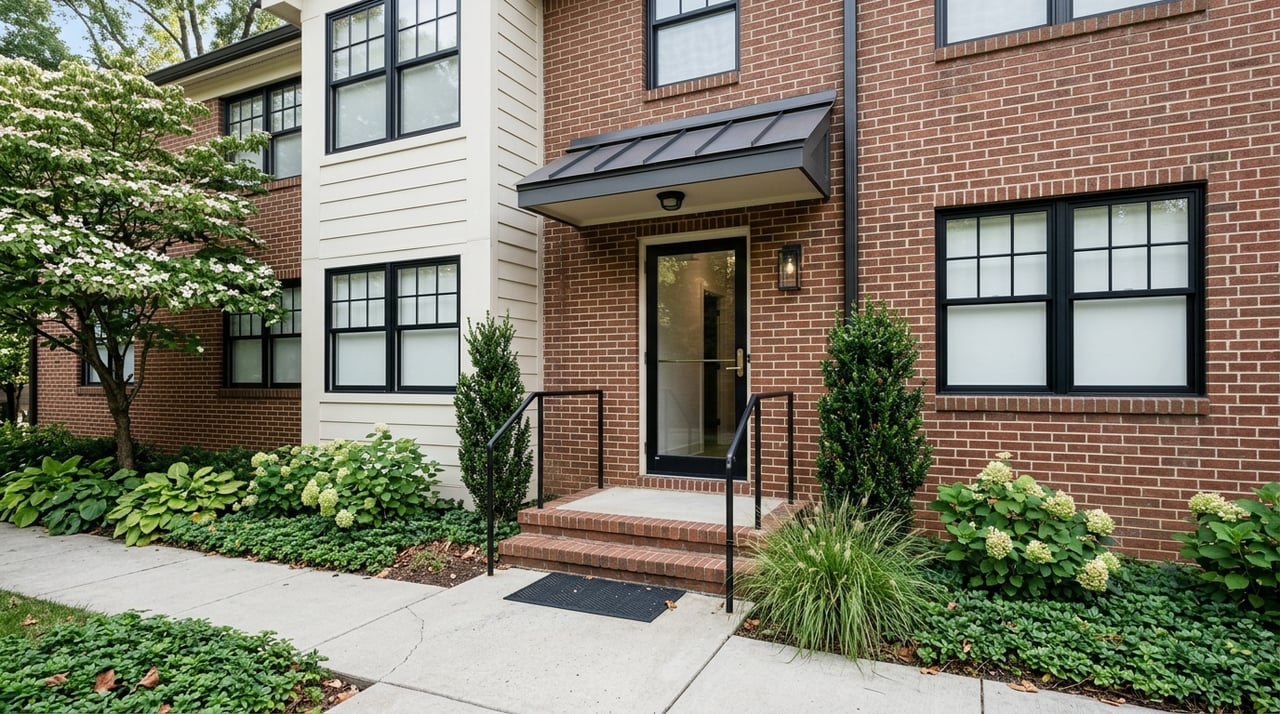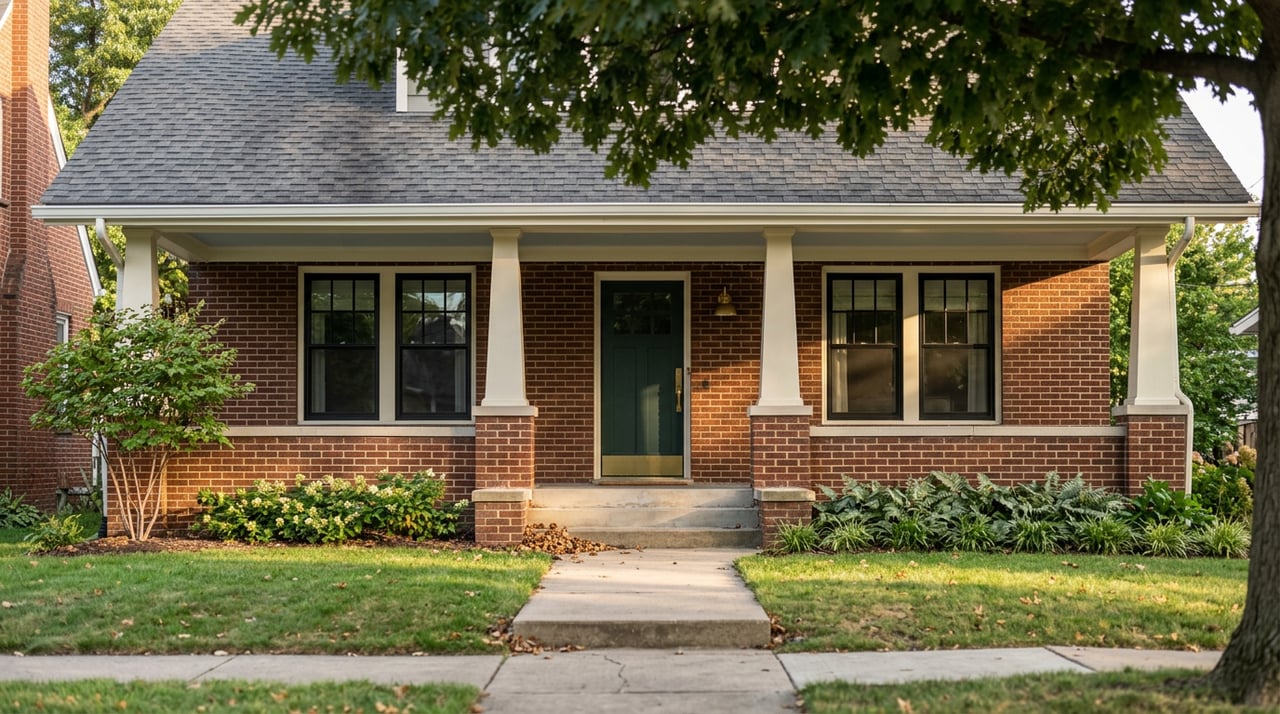
Trying to choose between Navy Yard and Shaw for your next condo? You are not alone. Both neighborhoods offer strong condo options, very different day-to-day experiences, and a wide range of price points depending on the building, block, and amenities. If you are weighing where to buy, this guide will help you compare the two with a clear, practical lens so you can move forward with more confidence. Let’s dive in.
Navy Yard vs. Shaw at a glance
At the broader DC level, the condo market looks more balanced than overheated. As of March 2026, Realtor.com reported about 3,900 active listings across DC, a median listing price of $559,000, a median of 41 days on market, and sales closing at about 99% of list price.
That matters because your condo search in Navy Yard or Shaw is happening inside a market where buyers may have room to evaluate options carefully. You still need to move strategically, but you may not be facing the kind of across-the-board frenzy that makes every decision feel rushed.
What stands out in Navy Yard
Navy Yard has a more waterfront and new-construction feel. DC Planning is moving forward with a Navy Yard East zone along the Anacostia that would add housing, high-density residential and commercial uses, public waterfront access, ground-floor retail, and a pedestrian and cycling connection between Yards Park and the 11th Street Bridge.
Current condo data also points to a more moderate pace. As of March 2026, Navy Yard had 41 condos for sale with a median listing price of $480,000, about 64 days on market, and roughly 2 offers on average. Redfin classified Navy Yard as a buyer’s market at that time.
What stands out in Shaw
Shaw is more varied, and that is one of its biggest strengths. Ward 2 planning notes that Shaw has seen major change in recent years, especially with new multifamily and commercial development along the 14th Street corridor.
The current pricing picture in Shaw depends heavily on the exact micro-area. Condo median listing prices range from about $535,000 in Cardozo/Shaw to $563,000 in Logan Circle-Shaw, while Shaw Historic District showed a median listing price of $645,000 and about 53 days on market in February 2026. In the broader Logan Circle-Shaw area, Redfin reported a March 2026 median sale price of $1,007,500 for homes overall, with 25% selling above list.
Why the building matters most
One of the biggest mistakes buyers make is assuming the neighborhood name tells the whole story. In both Navy Yard and Shaw, the building itself can change your price point, monthly costs, resale potential, and daily convenience in a big way.
A newer building in Navy Yard may offer a more contemporary amenity package and a different fee structure than a smaller boutique condo in Shaw. In Shaw, one block may feel very different from another in terms of building style, age, parking setup, and how units trade over time.
Look beyond the headline price
A lower list price does not always mean a lower-cost ownership experience. You need to compare the full picture, including condo fees, parking, storage, reserves, and any upcoming capital work.
That is especially important in areas where you may be comparing newer amenity-heavy buildings against older or more limited-service properties. A smart condo decision is rarely just about the purchase price.
Amenities and condo fees
The amenity mix often creates a clear contrast between buildings in these two neighborhoods. In Navy Yard, current listings show features like courtyards, fitness centers, lounges, roof decks, extra storage, and garage parking that may be available separately or assigned by the building.
In Shaw, some listings show a more full-service setup. One example, The Whitman, includes a 24-hour front desk, rooftop pool, gym, community room, extra storage, and reserved or assigned parking, with HOA dues around $711 per month.
What condo fees should tell you
A monthly condo fee is not just a bill. It can also be a clue about how the building operates and whether the association appears to be planning responsibly for maintenance and future costs.
Under DC law, the resale certificate must include planned capital expenditures, reserve balances, the current operating budget, pending suits or judgments, association insurance coverage, non-owner-installed improvements, and the remaining term of any leasehold estate. Those are some of the most important items to review before you decide whether a fee is reasonable.
A lower fee can look appealing at first glance. But if reserves are thin or major work is coming, that lower number may not be the bargain it seems.
Parking, pets, and storage
If parking or pet flexibility matters to you, do not rely on assumptions. In both Navy Yard and Shaw, current listings show different setups in practice, including deeded parking, rented parking, separately available garage spaces, and assigned spaces.
The same goes for pet rules and storage rights. These details are building-specific, so the governing documents and resale package are the source of truth.
Questions to ask before you write an offer
Before you submit an offer on a condo in Navy Yard or Shaw, make sure you understand:
- Whether parking is deeded, rented, assigned, or sold separately
- Whether storage conveys with the unit
- What the pet rules are for size, number, or breed restrictions
- Whether there are move-in or move-out fees
- Whether any leasehold term applies to the property
These are not small details. They affect both your day-to-day ownership and your resale position later.
DC condo review timelines
DC gives condo resale buyers important document-review protections, and you should know how they work before you sign. The seller must provide the condo instruments and association certificate by the 10th business day after contract execution.
Once you receive those documents, you have a 3-business-day cancellation right. If the documents are delivered before you sign the contract, that review clock starts at execution.
Why timing matters
In a condo purchase, deadlines matter just as much as price and terms. If you understand when your review period starts and what you need to verify inside that window, you are in a much stronger position to make a clean and informed decision.
This is where a calm, organized strategy really helps. Instead of rushing through a stack of association documents, you want a plan for what to look for and what questions to raise immediately.
A practical condo due diligence checklist
When you are buying in Navy Yard or Shaw, your due diligence should go beyond a quick tour and a monthly fee comparison. Focus on the documents and details that can affect your finances, flexibility, and resale outlook.
Key items to review
- Condo budget
- Reserve balance
- Planned capital work
- Pending litigation or judgments
- Association insurance coverage
- Parking and storage conveyance
- Pet rules
- Remaining leasehold term, if any
- Any developer warranty or waiver documents that still apply
If the condo documents include a right of first refusal or another restraint on transfer, the association must be able to provide a recordable waiver statement when that right is waived or not exercised. In a faster-moving transaction, that is something worth asking about early.
New-build and conversion condos
If you are considering a newer condo or a converted building, your checklist should be even more specific. According to DC’s Department of Housing and Community Development, newly created or converted condominiums must be registered.
Before the first residential unit is conveyed, the developer must post warranty security equal to 10% of hard construction or conversion costs. DC law also provides a 2-year structural-defect warranty from first conveyance.
Conversion condos need extra attention
Conversion condos can be sold as-is, and that can narrow the warranty to components installed by the declarant. DHCD also notes that newly converted units can carry a 5% conversion fee due at settlement.
That does not mean you should avoid conversions. It means you should understand exactly what you are buying, what protections apply, and what added costs may show up at closing.
Long-term value and future development
If long-term value matters to you, both neighborhoods have a development story, but they are not the same story. Navy Yard’s is easier to spot because it is tied to a clearer future-growth area.
DC Planning says the proposed Navy Yard East zone would add housing on vacant land, high-density residential and commercial uses, public waterfront access, ground-floor retail, and a pedestrian and cycling link between Yards Park and the 11th Street Bridge. For buyers, that can point to continued investment and neighborhood evolution.
Shaw’s growth looks different
In Shaw, the future is more about infill and mixed-use layering than one major master plan. Recent projects include Station U & O on Parcel 42, which delivered 110 homes, 108 of them affordable, along with ground-floor retail, fitness, and coworking space near the Shaw Library and Metro.
Another project at 8th and O added 79 homes, including 24 affordable units, plus 3,327 square feet of retail. Ward 2 planning also notes significant multifamily and commercial redevelopment in recent years.
What buyers should watch nearby
Ongoing public and private investment can support walkability and neighborhood amenities. At the same time, active development can also bring trade-offs that matter to your building specifically.
Before you buy, check whether the property may be exposed to future construction noise, changes in views, new nearby supply, or added parking pressure. Those risks are not guarantees, but they are worth evaluating before you commit.
Which neighborhood may fit you better?
If you are drawn to newer buildings, a waterfront setting, and a market that currently appears more moderate, Navy Yard may feel like the better fit. If you want a neighborhood with more variation in housing stock, block-by-block character, and a broader range of building styles, Shaw may give you more to compare.
The right answer depends on your goals. Your monthly payment, your lifestyle priorities, your comfort with building rules, and your long-term plans should drive the decision more than the neighborhood label alone.
A smart condo purchase in DC comes down to preparation. When you understand the fee structure, document-review timeline, parking setup, pet rules, and nearby development story before you bid, you put yourself in a much stronger position to buy well.
If you want a clear strategy for comparing condos in Navy Yard or Shaw, Catrina Jackson can help you evaluate the numbers, the documents, and the trade-offs with confidence. Let’s Connect.
FAQs
What is the condo market like in Navy Yard, DC?
- As of March 2026, Navy Yard had 41 condos for sale, a median listing price of $480,000, about 64 days on market, and roughly 2 offers on average, and Redfin classified it as a buyer’s market.
What is the condo market like in Shaw, DC?
- Shaw pricing varies by micro-area, with median condo listing prices around $535,000 in Cardozo/Shaw, $563,000 in Logan Circle-Shaw, and $645,000 in Shaw Historic District in recent 2026 data.
What should you review in a DC condo resale package?
- You should review the condo budget, reserve balances, planned capital expenditures, pending suits or judgments, insurance coverage, parking and storage details, pet rules, and any leasehold information.
How long do you have to review condo documents in DC?
- In a DC condo resale, you generally have a 3-business-day cancellation right after receiving the required condo instruments and association certificate.
What should you know about parking in Navy Yard or Shaw condos?
- Parking is building-specific and may be deeded, rented, assigned, or sold separately, so you should confirm the exact arrangement in the resale package and governing documents.
Are condo fees higher in amenity-rich DC buildings?
- They can be, especially in buildings with features like front desk service, pools, gyms, roof decks, or garage parking, so it is important to compare fees alongside the building budget and reserve health.
What should buyers know about new-build or conversion condos in DC?
- Newly created or converted condominiums must be registered, new projects require warranty security before first conveyance, DC law provides a 2-year structural-defect warranty from first conveyance, and some newly converted units can include a 5% conversion fee due at settlement.