Wondering whether Camp Springs is a smart place to buy a rental property? If you want a market with strong commuter access, a major employment anchor, and housing that fits long-term rental demand, Camp Springs deserves a closer look. The key is knowing how to read the numbers, the housing stock, and the local rules together so you can make a decision with confidence. Let’s dive in.
Why Camp Springs Stands Out
Camp Springs sits in Prince George’s County and functions as a suburban DMV market with real commuter appeal. The area had 22,734 residents in the 2020 Census, along with a median household income of $120,456 and a civilian labor-force participation rate of 70.5%. Those figures point to a place supported by working households rather than seasonal demand.
Commute patterns also matter here. Recent QuickFacts data show a mean commute time of 37.7 minutes, which supports the idea that many households choose Camp Springs because it offers access to jobs across the broader Washington region. For investors, that often translates into steady interest from renters who prioritize location and transportation options.
Access Drives Rental Interest
One of the biggest reasons investors watch Camp Springs is Joint Base Andrews. MilitaryINSTALLATIONS says the base is physically located in Camp Springs, about 10 miles outside Washington, D.C., off Exit 9 of I-495, and near the Branch Avenue Metro station. The base supports six wings, three headquarters, and more than 80 tenant organizations, giving the area a major long-term location anchor.
That does not mean every renter is military-connected, but it does mean the market benefits from a large and stable employment presence. In practical terms, Camp Springs can appeal to households looking for access to the base, the Beltway, and the larger D.C. job market.
Transit also adds to the area’s usefulness. Prince George’s County Route 30 connects Camp Springs to Suitland Metro Station and Southern Maryland Hospital, while WMATA maps show bus service through the Southern Ave and Camp Springs area on routes 33 and 37. That combination of highway, bus, and rail connectivity supports renter demand beyond just one employer or one commute pattern.
What the Housing Stock Tells You
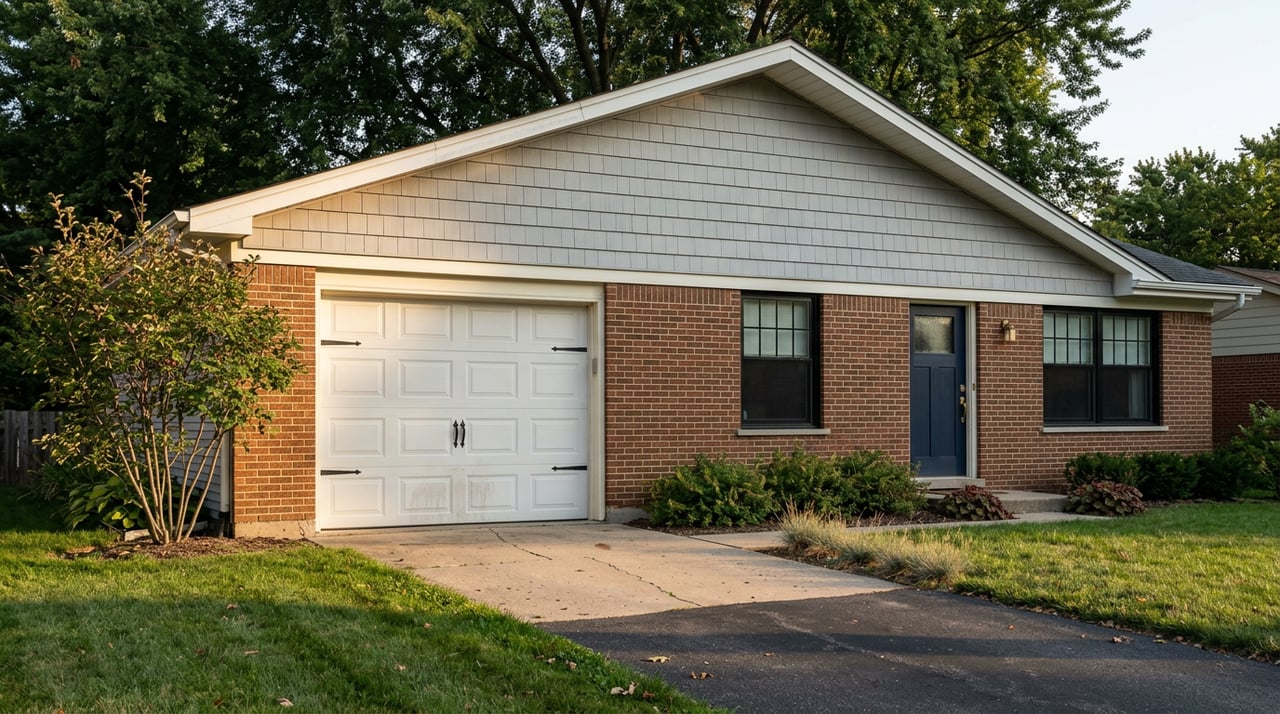
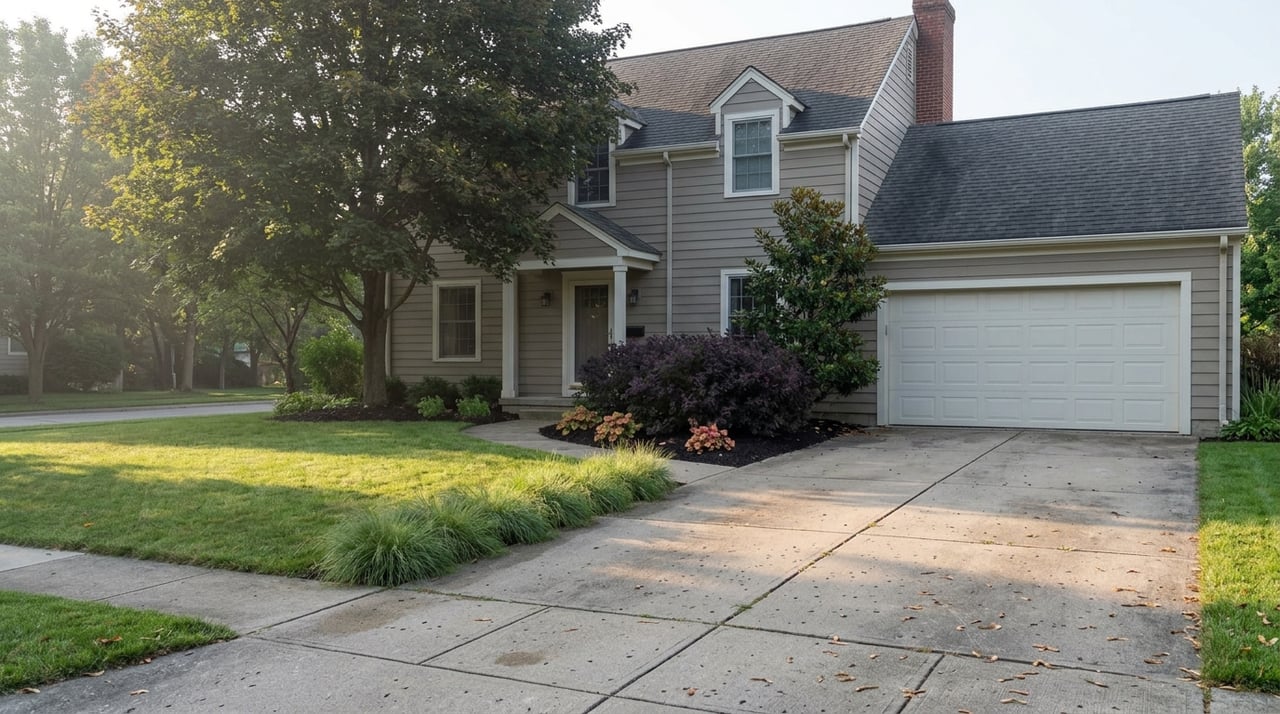
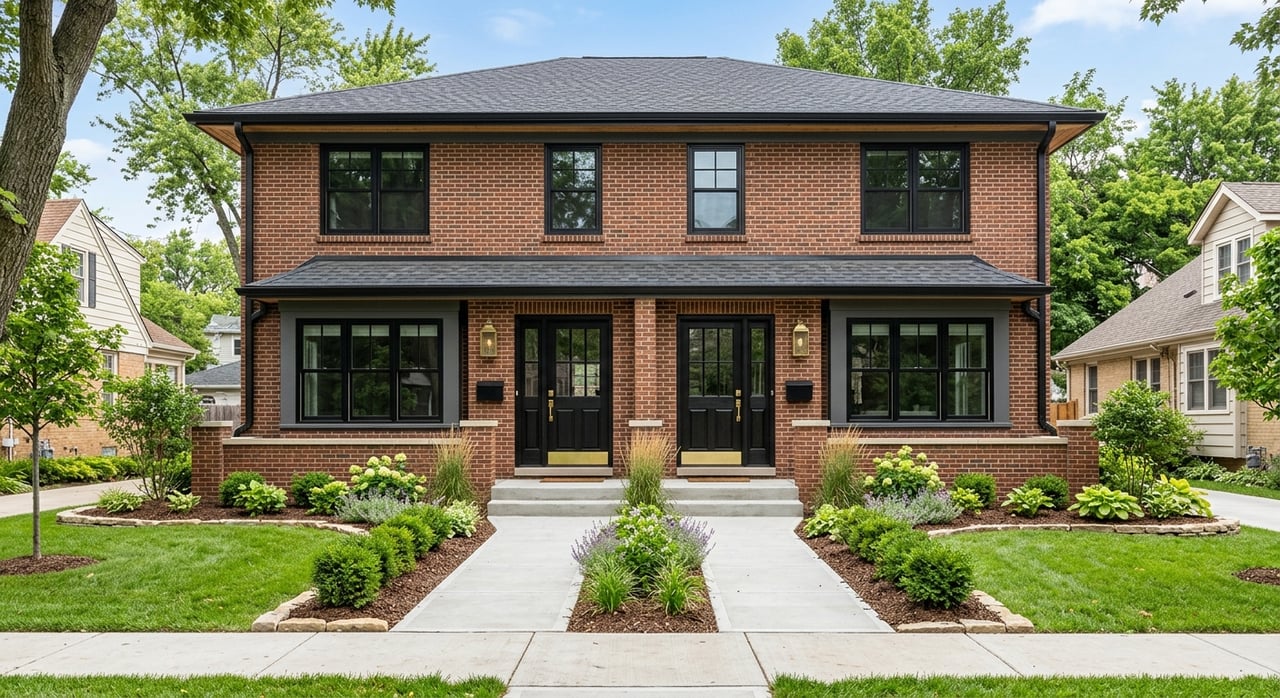
If you are picturing a dense apartment market, Camp Springs may surprise you. In the 2017-2021 ACS, 68.8% of housing units were 1-unit detached homes, 8.5% were 1-unit attached, and 16.3% were in buildings with 20 or more units. That mix leans more toward single-family rentals, townhomes, and house-hack style opportunities than a pure multifamily play.
The size of the housing stock matters too. The same data show a median of 7.5 rooms, with 33.2% of units having four bedrooms and 12.2% having five or more bedrooms. For an investor, that can widen your potential renter pool to households looking for more space, especially compared with tighter urban inventory.
Camp Springs is still primarily owner-occupied, but rentals are meaningful here. The 2017-2021 ACS shows 72.0% owner-occupied and 28.0% renter-occupied units, while the 2020 Census profile shows 67.5% owner-occupied and 32.5% renter-occupied. The exact share varies by survey window, but both sets of numbers point to a suburban market where rentals are important without dominating the area.
Who Likely Rents in Camp Springs
The renter profile suggests a mix of commuters and households looking for stability. ACS data show an average household size of 2.4 for renter-occupied units, compared with 2.9 for owner-occupied units. That can indicate demand from smaller households, but the area’s larger housing stock also supports renters who want more bedrooms and more functional space.
QuickFacts also show that 89.9% of residents lived in the same house a year earlier. That is a useful signal for investors because it points to a relatively stable community rather than a highly transient one.
There is also some sign of transit reliance. QuickFacts show 5.4% of households had no vehicle available, which reinforces the importance of bus and rail connections for part of the renter base. Add in the area’s commuter orientation, and you get a market where access can be a meaningful part of your leasing strategy.
Camp Springs Rent and Value Basics
Before you get too excited about any market, you need a simple first-pass underwriting view. Recent Census QuickFacts show a median gross rent of $2,175 and a median value of owner-occupied housing units of $379,500. Using those two figures, the rough gross rent-to-value ratio comes out to about 6.9%.
That number is only a screening metric, not a return calculation. It does not include taxes, insurance, maintenance, vacancy, turnover, or compliance costs. Still, it gives you a quick sense of how Camp Springs may pencil out compared with other suburban DMV options.
There is another useful benchmark here. Median selected monthly owner cost with a mortgage is listed at $2,345, which is not far from the median gross rent. That does not tell you whether owning is better than renting for every household, but it does show that rent levels in Camp Springs are not low relative to local housing costs.
Rent Bands Show Real Demand
The earlier ACS period helps round out the picture. It shows a median gross rent of $2,004, with 40.2% of renters paying $1,500 to $1,999, 35.7% paying $2,000 to $2,499, and 12.9% paying $2,500 to $2,999. That places a large share of the market in a mid-to-upper rent band.
For investors, that is useful because it points to demand for well-located, well-maintained rentals that are priced carefully. It also suggests that pushing rent beyond what the market supports may not be the best strategy, especially when tenants have options across Prince George’s County and the wider DMV.
Affordability pressure is part of the story too. ACS data show that 30.7% of renter households with computable data spent 35% or more of income on gross rent. That can support demand for properties that are clean, functional, and priced competitively rather than over-improved for the submarket.
The Older Housing Factor
One of the most important Camp Springs investor details is the age of the housing stock. In the 2017-2021 ACS, 57.9% of units were built before 1980, with the largest single age band built in 1960-1969. Older homes can create opportunity, but they also require more disciplined due diligence.
You should expect closer attention to inspections, repair planning, and reserve budgeting. Systems, deferred maintenance, and renovation quality can have a bigger impact on your returns in an older housing market than in a newer construction-heavy area.
This is where a finance-forward approach matters. A property that looks attractive based on rent alone may become less attractive once you factor in repairs, turnover work, and compliance obligations. In Camp Springs, buying right often matters more than chasing a perfect appreciation story.
Local Rules Matter in Prince George’s County
Camp Springs investors need to underwrite local compliance carefully. Prince George’s County says rental housing licenses are processed through Momentum, and the county enforces the Permanent Rent Stabilization and Protection Act. That means your operating plan needs to account for local rent rules, notice requirements, and licensing steps from day one.
As of July 2026, the county says regulated units are capped at the lesser of 5.7% or CPI-U plus 3%, while age-restricted senior housing is capped at the lesser of 2.7% or 4.5%. The county also lists exemptions that may matter for some smaller owners, including certain owner-occupied two-unit buildings and some landlords who own five or fewer rental units in the county.
Fee limits also affect how you structure your lease terms and expectations. County guidance says fees may generally be increased only once in a 12-month period and usually require 90-day written notice. County FAQs also say application fees are capped at $25 for landlords who rent five or more units, late fees are capped at 5% of the late rent amount, and security deposits are limited to one month’s rent starting October 1, 2024.
Lead Compliance Is Not Optional
Because so much of Camp Springs housing was built before 1980, Maryland lead-law compliance is a real underwriting line item. The Maryland Department of the Environment says compliance is mandatory for rental properties built before 1978. Owners of pre-1978 rental property must register the unit, provide tenant education materials, and meet lead-risk-reduction standards at changes in occupancy.
This is not the kind of item you want to discover late in the process. If you are evaluating an older home as a rental, build this into your due diligence checklist and your repair budget early.
Think Long Term, Not Fast Appreciation
Camp Springs also has a planning story worth watching. Prince George’s County’s Central Branch Avenue Corridor Revitalization Sector Plan ties future growth and revitalization opportunities to Joint Base Andrews, planned expansion of Southern Maryland Hospital, and a planned fixed-guideway transit line along MD 5. The county planning department says master and sector plans guide land use, housing, transportation, employment areas, and public facilities over a 20- to 25-year horizon.
That matters because it frames Camp Springs as a long-game market. If you invest here, the case is less about instant appreciation and more about combining access, rental demand, and patient hold strategy. You are looking for durable positioning, not overnight transformation.
How to Evaluate a Camp Springs Deal
If you are considering Camp Springs, focus on the basics first:
- Access: Check proximity to I-495, Branch Avenue Metro, and bus service.
- Property type: Single-family homes and townhomes may fit the local stock better than an apartment-only strategy.
- Rent band: Underwrite against realistic local rents, not optimistic projections.
- Condition: Older homes need stronger inspection review and repair reserves.
- Compliance: Confirm licensing, rent stabilization rules, fee limits, and lead-law obligations.
- Hold period: Treat Camp Springs as a market where patient execution may matter more than short-term hype.
A disciplined investor usually does better here than a speculative one. The opportunity is real, but so is the need for careful numbers.
If you want a market with commuter demand, a major employment anchor, and housing that can support practical rental strategies, Camp Springs deserves a serious look. The strongest plays are often the ones where you balance rent potential, condition, local regulation, and hold period from the start. If you want help pressure-testing a Camp Springs opportunity through a local DMV lens, Catrina Jackson is ready to help you think it through. Let’s Connect.
FAQs
Is Camp Springs a good place for rental property investing?
- Camp Springs can be attractive for investors because it combines commuter access, proximity to Joint Base Andrews, and a housing mix that supports single-family rentals and townhomes.
What kind of rental properties are common in Camp Springs?
- Camp Springs housing is mostly 1-unit detached homes, with smaller shares of attached homes and larger multifamily buildings, so many investors will focus on houses or townhomes.
What are Camp Springs rent levels like for investors?
- Recent QuickFacts show a median gross rent of $2,175, while earlier ACS data show many renters paying between $1,500 and $2,499 per month.
Do Prince George’s County rental rules affect Camp Springs investors?
- Yes. Investors should review rental licensing requirements, local rent stabilization rules, fee limits, and notice requirements in Prince George’s County before buying.
Do older Camp Springs homes create extra investor costs?
- They can. A large share of local housing was built before 1980, which can mean more repairs, more inspection attention, and possible lead-law compliance obligations for pre-1978 rentals.
Should investors expect quick appreciation in Camp Springs?
- Camp Springs may be better viewed as a long-term hold market tied to access, corridor planning, and steady rental demand rather than a fast appreciation play.