You can scroll Brookland listings for weeks and still wonder what you are actually looking at. Is that a classic DC rowhome, a condo inside a converted building, or one of the newer townhomes near Monroe Street Market? If you are trying to match your budget and lifestyle to the right home, those differences matter. In this guide, you will decode Brookland’s most common housing styles, learn quick photo cues, and see how ownership, space, and upkeep compare. Let’s dive in.
Brookland at a glance
Brookland sits in Northeast DC around the Brookland–CUA Red Line station and the Monroe Street Market corridor. The area blends institutional anchors like Catholic University with neighborhood retail and long blocks of traditional rowhouses. For community context and development activity, review the Washington DC Economic Partnership’s Brookland neighborhood profile, which highlights local projects and Monroe Street Market as a mixed-use focal point. You can also see station details for the Red Line stop on the WMATA Brookland–CUA page and a snapshot of the mixed-use center at Monroe Street Market.
For pricing context, different sources show different medians depending on timeframe and method. Redfin reported a Brookland median sale price of about $892,500 (Jan 2026), while the WDCEP 2024 neighborhood profile lists a median home value of $726,810. Both can be true at once because they measure different things across different dates. Use them as guideposts, then confirm current comps with your agent.
Classic DC rowhomes
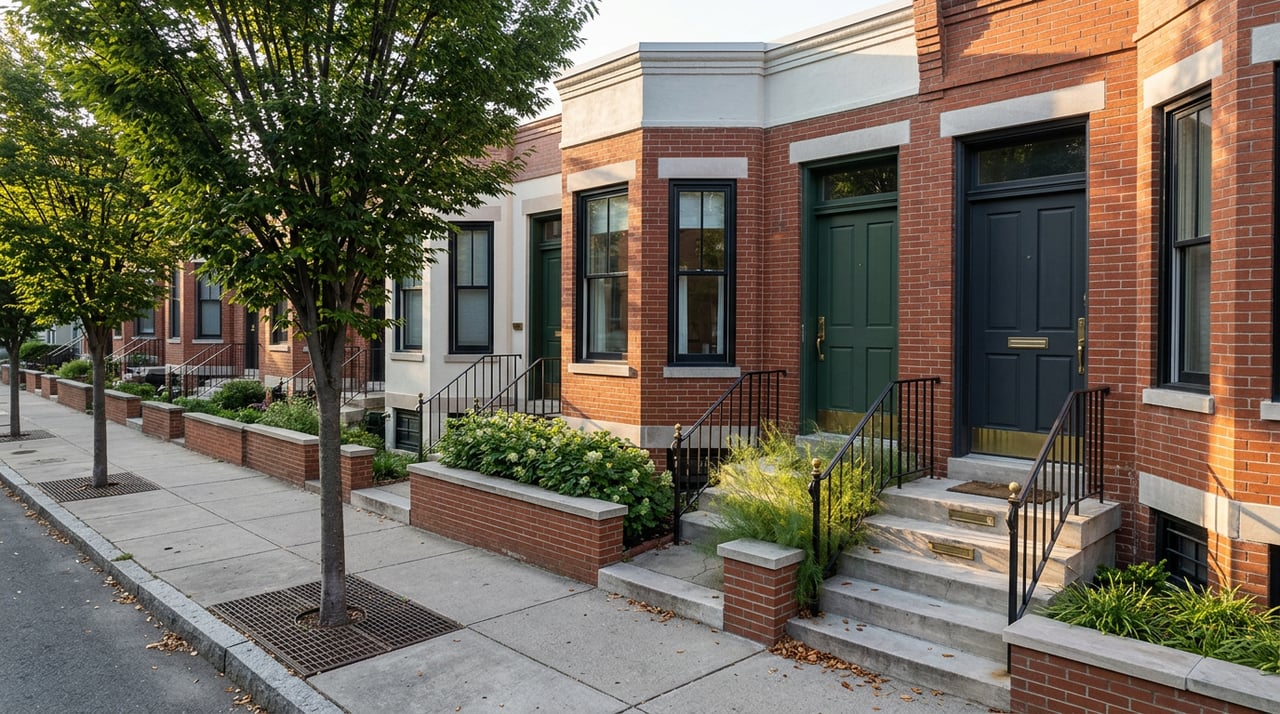
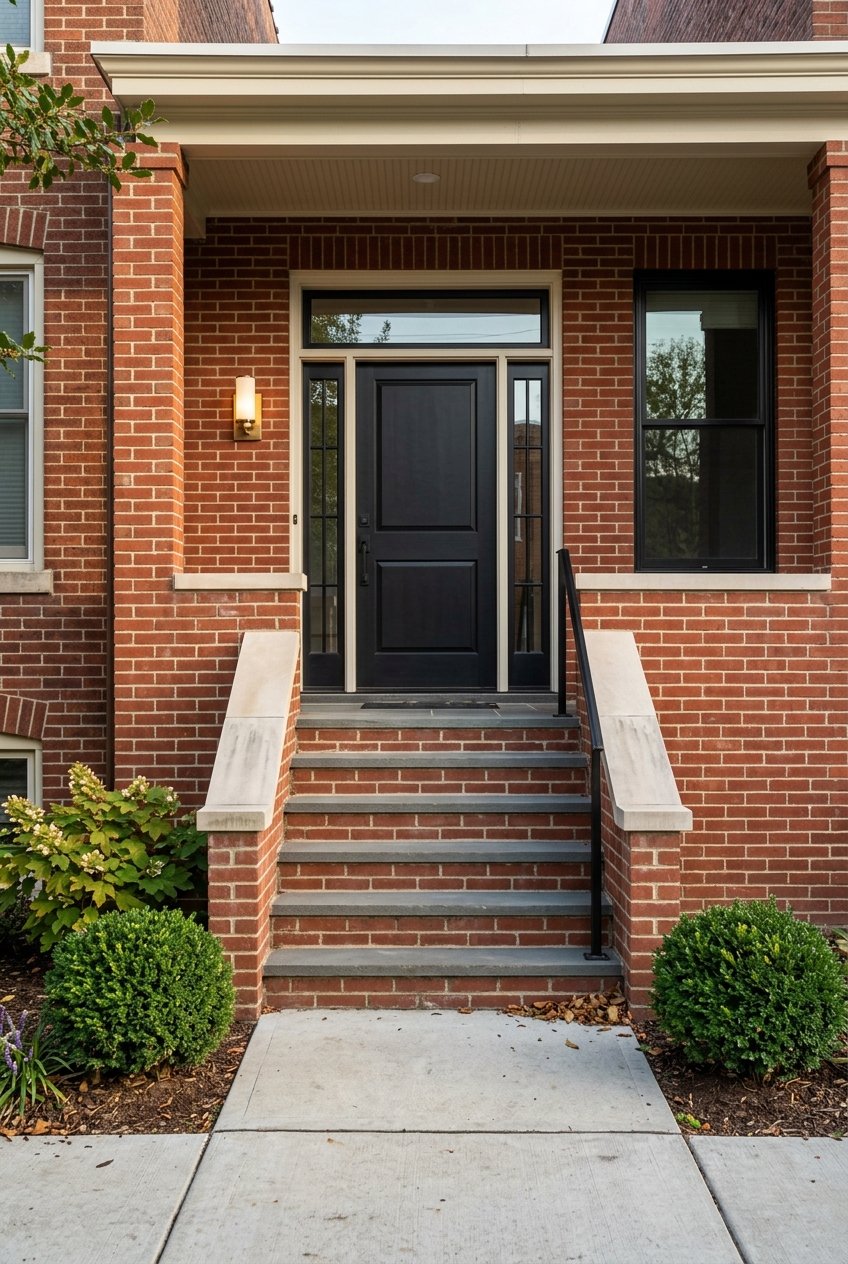
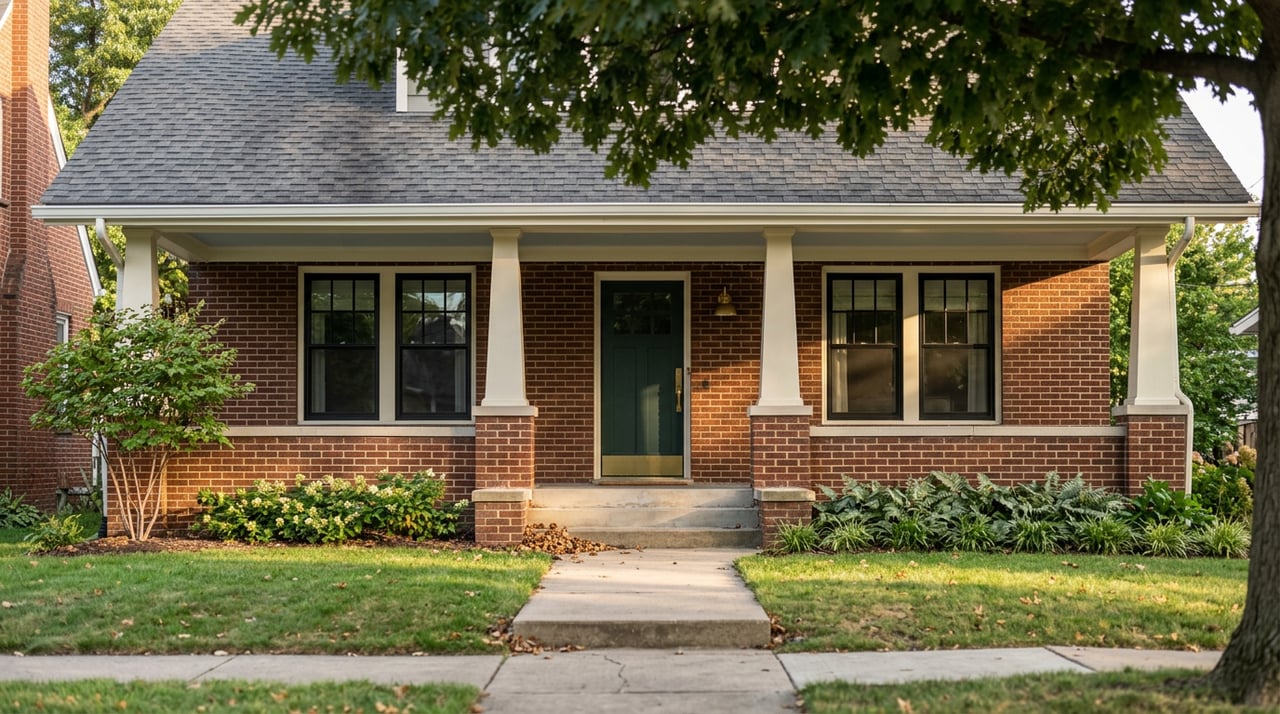
You will see many early 20th century brick rowhouses throughout Brookland. These homes often show brick facades, stoops or small front porches, cornices, and bay windows. Many include basements, some finished, plus small rear yards or alley access.
Visual cues in listing photos:
- Narrow frontage with a continuous roofline and visible party walls on each side.
- Brick facade and a front stoop or porch.
- Basement window wells or a separate lower-level entrance.
- Small fenced backyard, with alley parking or a garage in some cases.
Typical size and pricing:
- Many fall in the about 1,100 to 2,000+ square feet range, depending on finished basements and any pop-backs.
- Representative sales in Brookland have ranged from the mid six figures to the high six figures, with renovated homes reaching into the low seven figures in some cases. For example, recent sales along 12th St NE included renovated four-bedroom rowhomes that traded in the high six to low seven figures. Always check current comps and finishes before you compare.
Ownership and upkeep:
- You own the entire structure and lot, so you handle the roof, exterior brick, and yard.
- Expect age-related items like mortar repointing, roof work, and older mechanicals over time.
- If a listing advertises a separate basement apartment or in-law suite, ask for the permits and the Certificate of Occupancy. DC outlines C of O requirements on the Department of Buildings site.
Detached single-family houses
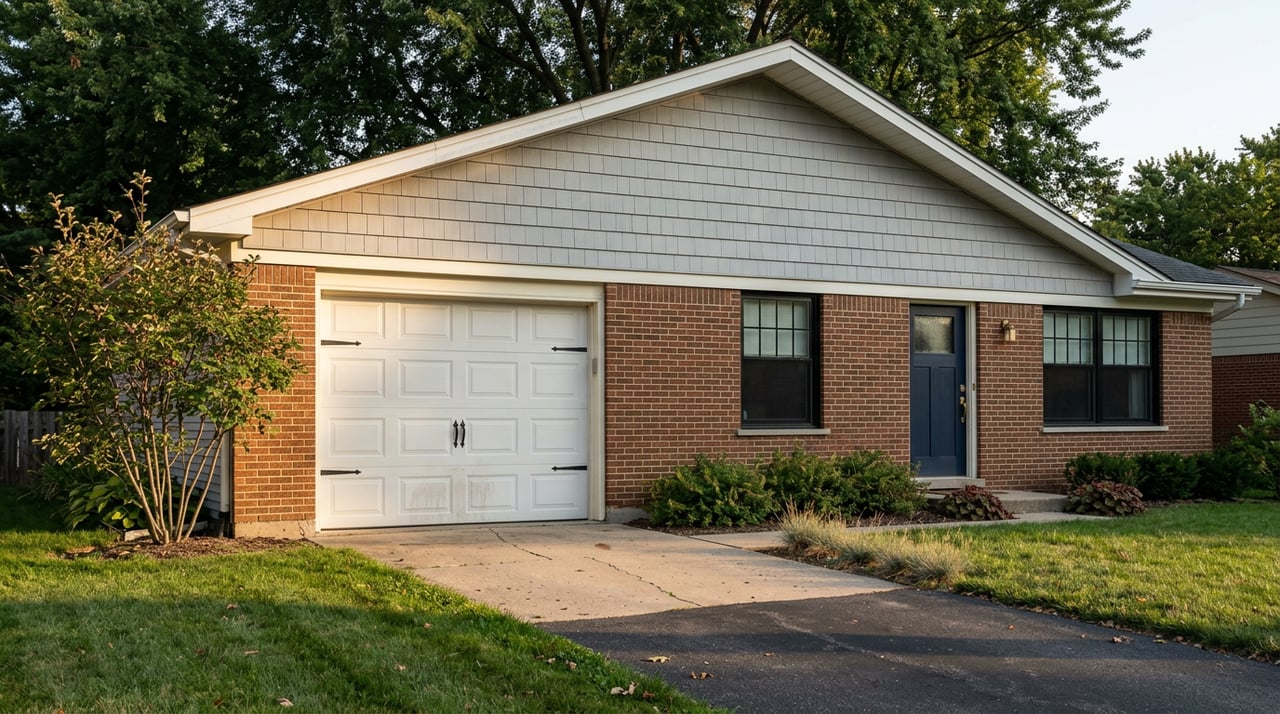
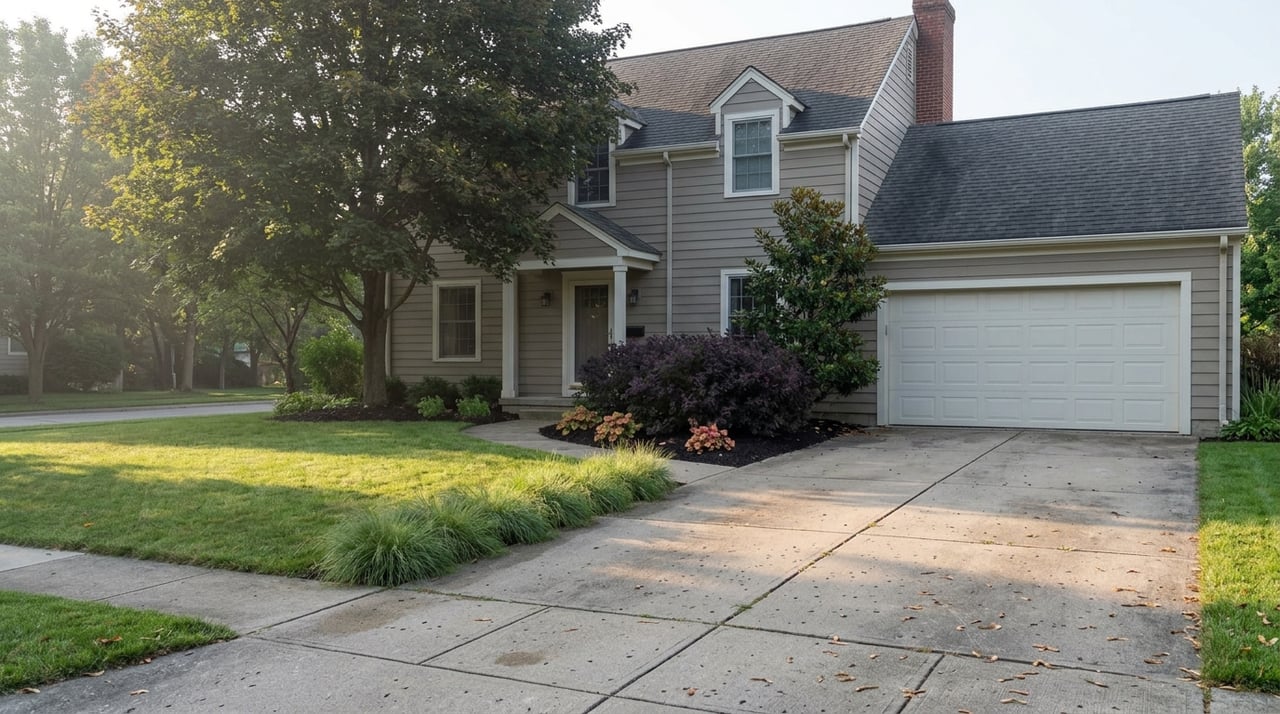
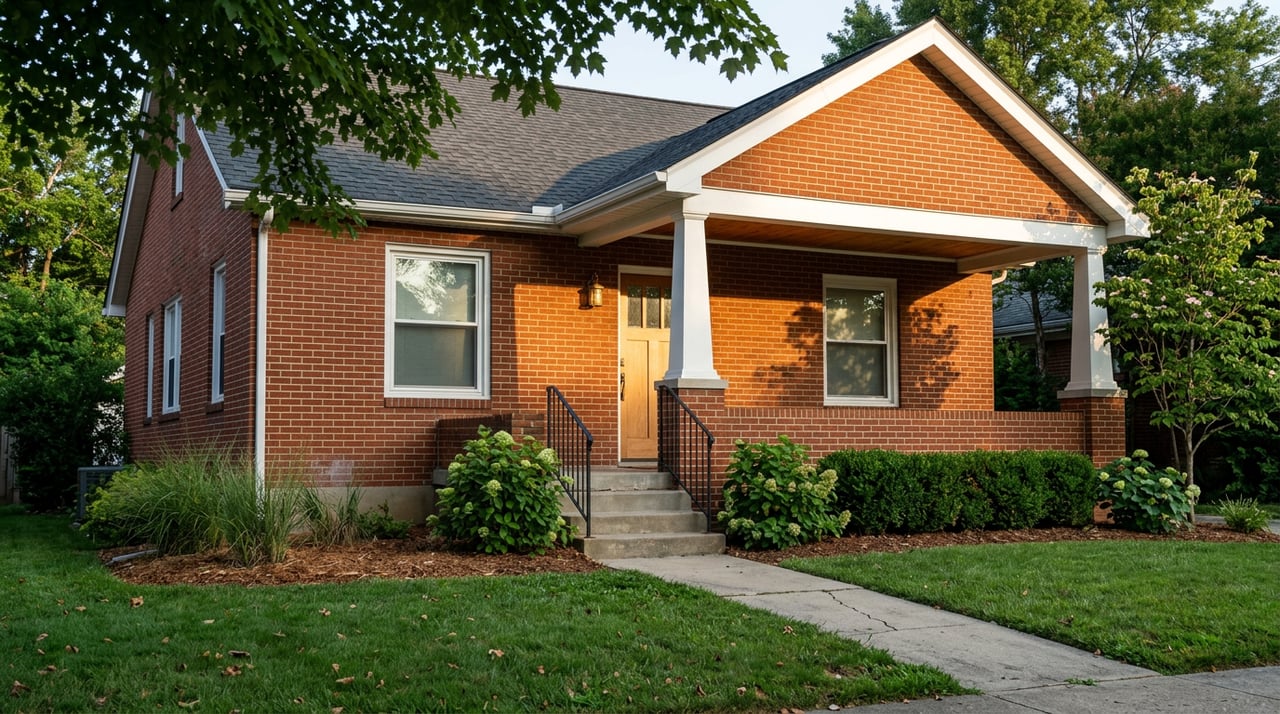
Detached and semi-detached homes appear in pockets of Brookland, often on the eastern edges or near small parks. You may see wider lots, longer driveways, and more side-yard separation than a typical rowhouse street.
Visual cues in listing photos:
- A visible side yard and no shared party wall.
- A longer setback from the sidewalk.
- A detached garage or extended driveway.
Size, price, and upkeep:
- Detached homes often command a premium for lot size and privacy, depending on condition and updates.
- You handle full site maintenance, including larger yards and longer driveways. Property taxes and ongoing expenses can scale with lot and home size, so build that into your budget.
Small condos and condo units
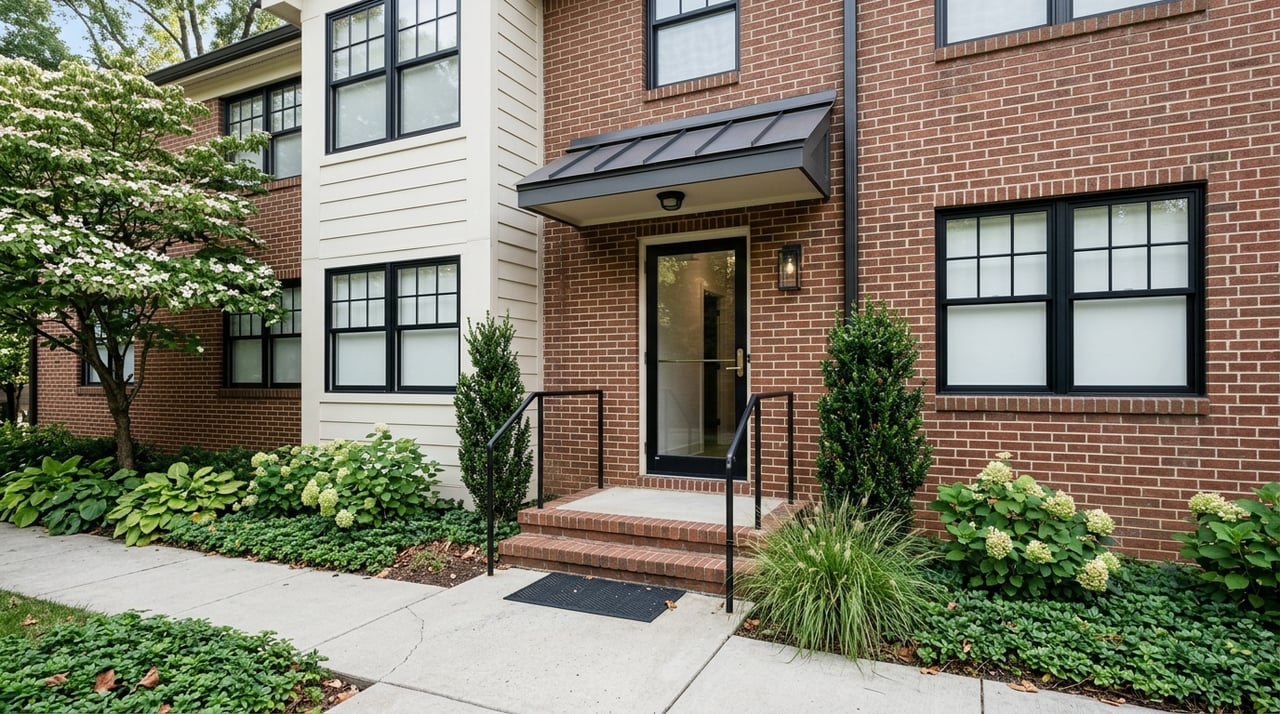
Brookland has a mix of small condo buildings, converted rowhouse flats, and units within larger mixed-use projects. Some are modest mid-century walkups, while others are boutique new construction near the Metro or Monroe Street Market. A local example is University Hall at 3000 7th St NE.
Visual cues in listing photos:
- Building signage, a shared entrance, and unit numbers in hallways.
- Photos of common areas or a mailbox bank.
- Assigned parking or a gated lot shown on the listing.
Typical size, fees, and price:
- Studios can run about 400 to 600 square feet, and larger duplex-style condos can reach roughly 1,200 to 1,800 square feet.
- Monthly condo fees vary. University Hall listings have shown about $400 to $700 per month on some units, sometimes including portions of utilities and building maintenance. See a representative example for University Hall on a local listing page such as this University Hall unit for fee context and inclusions.
- Entry prices can be lower than for rowhomes, especially in older buildings. Newer boutique condos and larger duplex units near retail and Metro can reach the mid six figures and higher.
Ownership and upkeep:
- Condos reduce exterior maintenance and often bundle building insurance, grounds, and some utilities into the monthly fee. Review the condo budget, reserve levels, and meeting minutes during your contingency period to confirm financial health and any planned projects.
Newer mixed-use and townhome projects
Recent Brookland infill includes mixed-use buildings with retail at street level and homes above, plus developer-built townhome clusters. The neighborhood’s most visible mixed-use center is Monroe Street Market. A major townhome example is Chancellor’s Row by EYA, a 237-home community near Catholic University.
What stands out in listings:
- Contemporary facades, uniform streetscapes, and staged interiors.
- Rooftop decks or terraces, along with attached garages or at-grade parking.
- Amenity photos and mentions of on-site retail or fitness spaces.
Size, price, and amenities:
- Many new townhomes advertise around 1,800 square feet of interior space, plus garages and modern systems. Earlier phases in past market cycles started in the mid four figures in pricing, and local conditions have supported pricing up to and above the high six figures depending on model and location. For a sense of design approach in award-winning townhome communities, see Professional Builder’s feature on EYA projects (design awards overview).
- Mixed-use condos and apartments near the Metro and retail often sell or rent at a premium for convenience.
Ownership and upkeep:
- Townhome buyers get fee simple ownership with modern systems and lower near-term maintenance compared to older housing stock. Review any HOA docs for rules on decks, rentals, and exterior changes.
- In mixed-use buildings, evaluate the impact of ground-floor retail, including evening activity and delivery schedules, and confirm building rules for pets and short-term rentals.
Quick visual decoder: reading listing photos
Use this simple checklist to identify the housing type and spot follow-up questions.
Identify the building type:
- Continuous roofline and shared side walls equals a rowhouse.
- A visible side yard with space between homes equals detached or semi-detached.
- A shared lobby and mailbox bank equals a condo.
- Storefront windows or signage at street level usually signals a mixed-use building.
Photo clues that suggest extra square footage:
- A finished basement with a separate entrance. Ask whether the work was permitted and whether a C of O is required for a separate unit. Review DC’s guidance on the Certificate of Occupancy process.
- Rear pop-backs or roof pop-ups visible in exterior shots. Verify permit history and disclosures.
- Rooftop decks or bulkheads. Confirm permits and any HOA approvals.
Red flags to verify with your agent or inspector:
- Water staining on ceilings or basement walls that could indicate past moisture issues.
- Sagging floors or patched rooflines that may hint at structural or roof work.
- Cropped photos that avoid showing neighboring facades. Ask why and request additional context.
Which style fits your goals
Each Brookland housing type fits different priorities. Use these quick matches to pressure-test your short list.
- Rowhome: You want house-like living, multiple bedrooms, storage, and a yard inside DC. You are comfortable budgeting for older systems and exterior upkeep.
- Detached house: You value land and privacy most and will take on full yard care and potentially higher ongoing costs.
- Small condo: You want lower hands-on maintenance and a potentially more affordable entry price. You will review the HOA’s fee structure, reserves, and rules closely.
- New townhome or mixed-use condo: You prefer modern systems, garages, and rooftop spaces, plus walkability to retail and the Red Line. You will weigh HOA rules and any lifestyle impacts of ground-floor retail.
A development note for context
Brookland continues to see planning and construction activity. The WDCEP profile lists active and proposed projects, including PUD filings at 901 Monroe and plans for hundreds of new residential units around the historic Brookland Lanes site. For a clear, dated overview of the pipeline and neighborhood stats, refer to the WDCEP Brookland profile (2024 edition).
Your next step
If you are narrowing options in Brookland, align style, budget, and timing with a clear plan. Confirm your monthly comfort level, then compare real examples across at least two weekends so you can weigh space, layout, and fees side by side. When you are ready to run numbers and craft a winning strategy, connect with a broker who pairs local context with data and calm execution. Let’s talk about your game plan with Catrina Jackson.
FAQs
What are typical Brookland price medians for context?
- Neighborhood medians vary by source and date. Redfin reported about $892,500 for Brookland’s median sale price in Jan 2026, while the WDCEP 2024 profile lists a $726,810 median home value; use both as guideposts and confirm current comps.
How do Brookland rowhomes differ from townhomes in new communities?
- Classic rowhomes are older brick attached homes with individual lots and more age-related upkeep, while newer townhomes like those at Chancellor’s Row are developer-built, often around 1,800 square feet with modern systems and garages, plus HOA rules to review.
What should I check if a listing advertises a basement apartment?
- Ask for permits and a Certificate of Occupancy when required, since DC regulates multi-unit and certain basement conversions; see DC’s process overview for C of O requirements on the Department of Buildings site.
How much are condo fees in Brookland and what do they cover?
- Fees vary widely by building and size; some University Hall listings show about $400 to $700 per month, sometimes including portions of utilities and building maintenance, so review each building’s budget, reserves, and inclusions before you commit.
Where can I find reliable Brookland development and neighborhood stats?
- The Washington DC Economic Partnership’s Brookland profile is a solid starting point for neighborhood data and pipeline updates; see the WDCEP Brookland 2024 profile.
Can I reuse listing photos in my own posts or social media?
- Obtain written permission from the listing agent or photographer and follow crediting rules, since listing photos are typically copyrighted; industry guidance highlights the risk of reposting without permission and urges checking MLS or portal rules (copyright guidance overview).