Thinking about leaving DC without giving up a practical commute or a lively daily routine? Bethesda often lands on that shortlist for a reason. If you want to weigh commute times, housing costs, and what day-to-day life actually feels like, this guide will help you look at the trade-offs clearly and make a more confident move. Let’s dive in.
Why Bethesda Appeals to DC Professionals
Bethesda is not just a quiet suburb outside the city. It functions as a major suburban business district with its own downtown energy, while still staying closely tied to DC through the Red Line. According to WMATA’s Bethesda station overview, the station is within walking distance of Bethesda Row and the Bethesda Trolley Trail.
That mix matters if you want more room or a different pace without losing access to restaurants, errands, and transit. Bethesda tends to attract professionals who want a neighborhood-oriented feel with urban convenience still built into the week.
The local resident profile also reflects that professional base. In the 2017 to 2021 ACS profile for Bethesda, 68.3% of residents age 16 and older were in the labor force, 24.7% worked from home, and the mean travel time to work was 29.2 minutes. The same report notes that 87.9% of adults age 25 and older held at least a bachelor’s degree.
Commute From Bethesda to DC
For many DC-based professionals, commute reliability is the first question. Bethesda performs best when you look at Red Line access first, then treat bus and driving as secondary options depending on your schedule.
Red Line Is the Main Draw
Bethesda station sits on WMATA’s Red Line, which gives you a direct rail connection into key parts of DC. Based on WMATA’s timetable information, Red Line trains run every 4 to 5 minutes during weekday rush periods, every 6 minutes midday, and every 10 minutes late night.
That frequency is a major advantage if you want a commute that is easy to explain and easier to plan around. Current ride summaries from Rome2Rio’s Bethesda to Dupont Circle train page put the trip at about 13 minutes to Dupont Circle, 17 minutes to Metro Center, and 22 minutes to Union Station on direct Red Line trips.
If your office or regular meetings pull you into the Dupont, Farragut, Metro Center, or Union Station areas, that direct connection is a strong reason Bethesda stays in the conversation. It supports a routine that can feel more predictable than driving.
Bus Can Work as a Backup
If Metro is disrupted or your destination lines up better with bus service, Bethesda does have another option. WMATA’s D96 route profile shows service between Bethesda and Foggy Bottom via Friendship Heights, Glover Park, Dupont Circle, and Farragut Square, with service at 30 minutes or better.
That said, the bus is usually slower than rail. Current Rome2Rio summaries cited in the research place Bethesda-to-Dupont bus travel at roughly 45 to 46 minutes and Bethesda-to-Metro Center bus travel at about 43 minutes. For most professionals, that makes bus service more of a backup plan or off-peak alternative than the primary daily choice.
Driving Has Limits
Driving from Bethesda into DC can look appealing when traffic is light. The research report cites Rome2Rio estimates of about 17 minutes by car to Metro Center and about 18 minutes to Union Station.
The challenge is consistency. Once congestion and parking enter the picture, driving becomes less predictable than rail for many workdays. It is also important to know that Bethesda station does not offer daily, metered, or reserved parking, so a drive-to-Metro setup is less convenient here than at some farther-out stations.
Station Access Matters Right Now
One practical detail you should keep in mind is current construction around the station. WMATA notes that Purple Line construction is affecting access around Bethesda station, with a new mezzanine planned to connect to the future Purple Line Bethesda Station in 2027.
That does not erase Bethesda’s commute appeal, but it is part of the real-life picture. If you are comparing Bethesda with other close-in locations, near-term station access friction should be part of your decision.
Bethesda Housing: What You Can Expect
Bethesda’s housing conversation starts with one key fact: this is a premium market. You are not choosing Bethesda because it is a bargain. You are usually choosing it because you want access, convenience, housing variety, and a more residential setting while staying connected to DC.
Housing Types Are More Mixed Than Many Buyers Expect
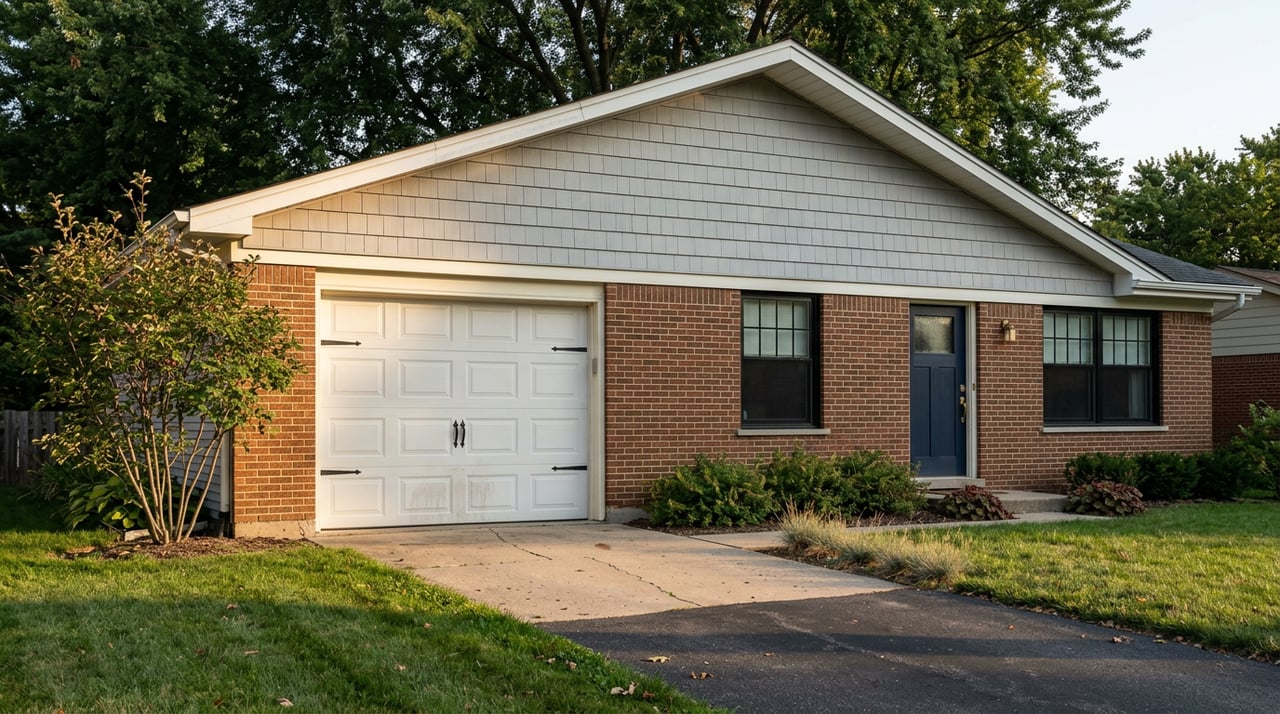
Bethesda is not only a condo market, and it is not only a detached-home market either. In the 2017 to 2021 ACS profile, 55.1% of housing units were 1-unit detached homes, 4.3% were 1-unit attached homes, and 36.2% were in structures with 20 or more units.
That gives you a broader mix than many people expect when they first start their Bethesda search. In practical terms, most buyers and renters tend to sort their options into three main buckets:
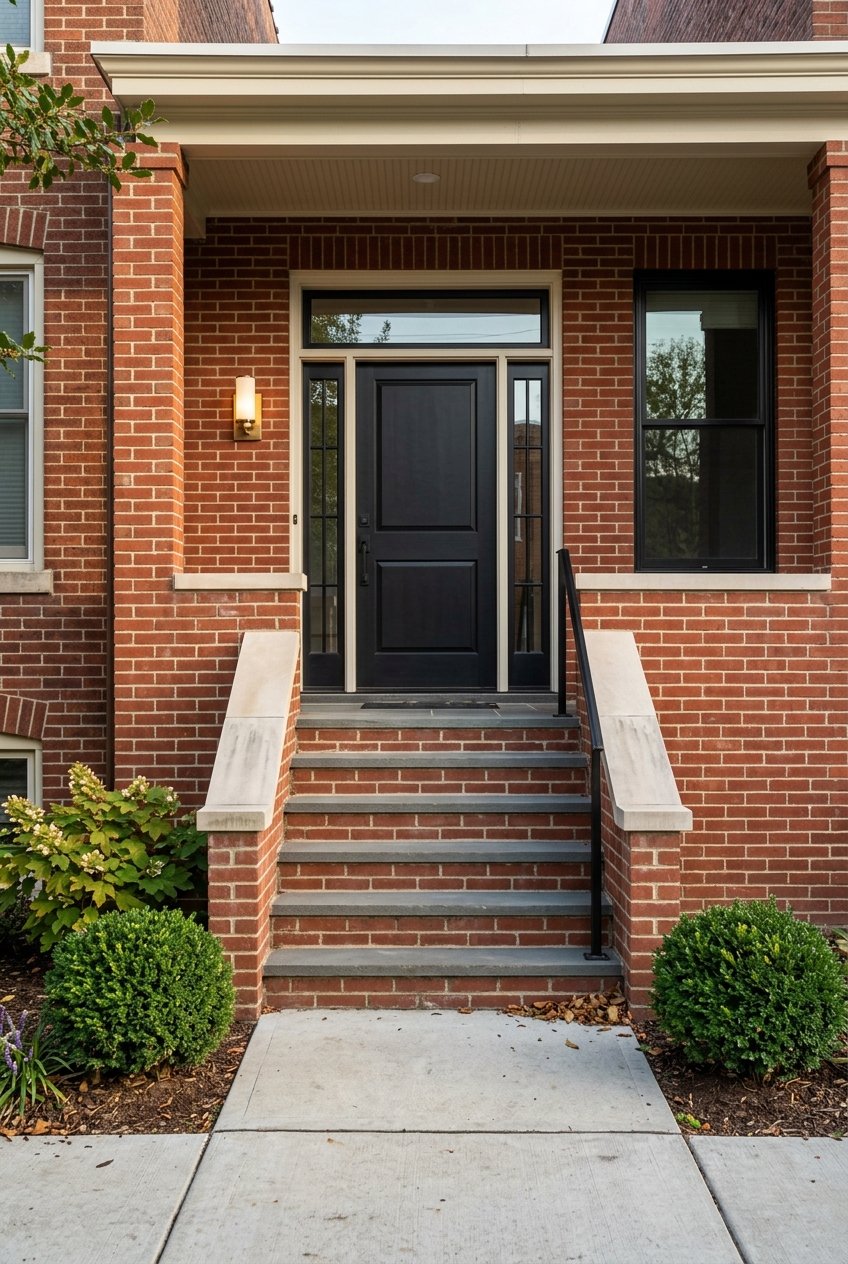
- Condos and apartments if you want walkability and a lower entry point within Bethesda’s higher-priced market
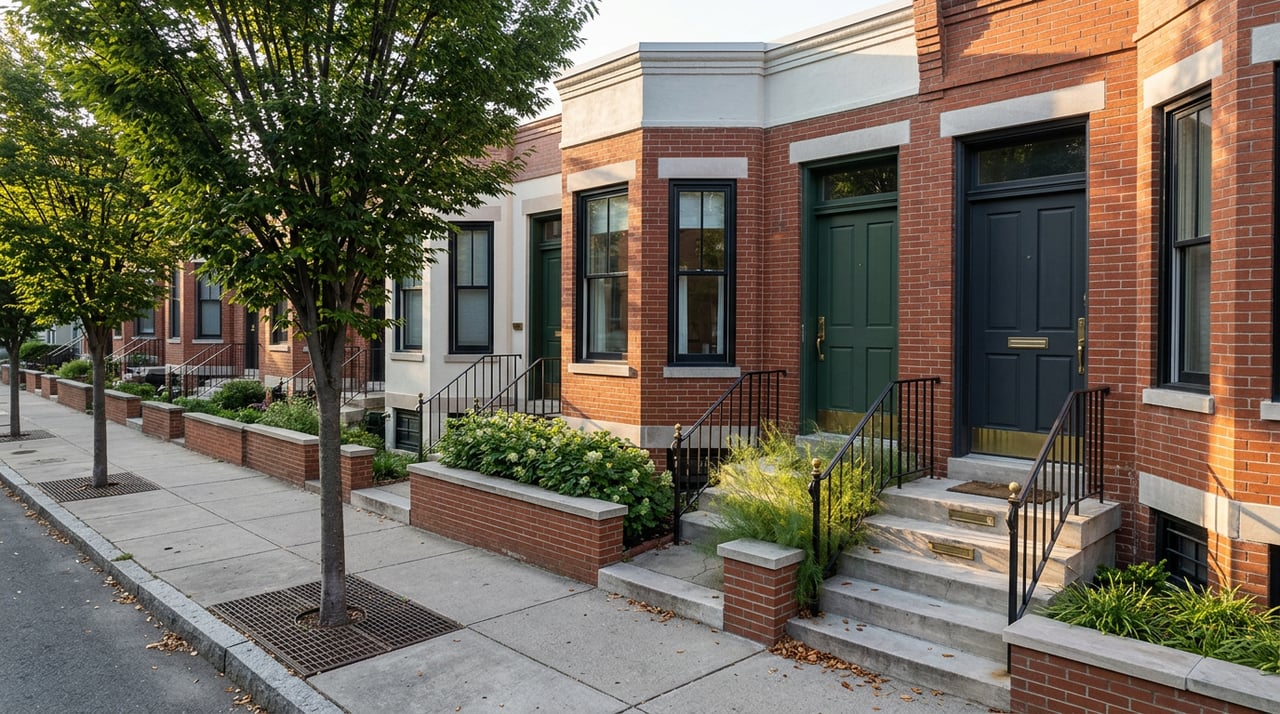
- Townhomes or attached homes if you want a middle ground between condo living and a detached house
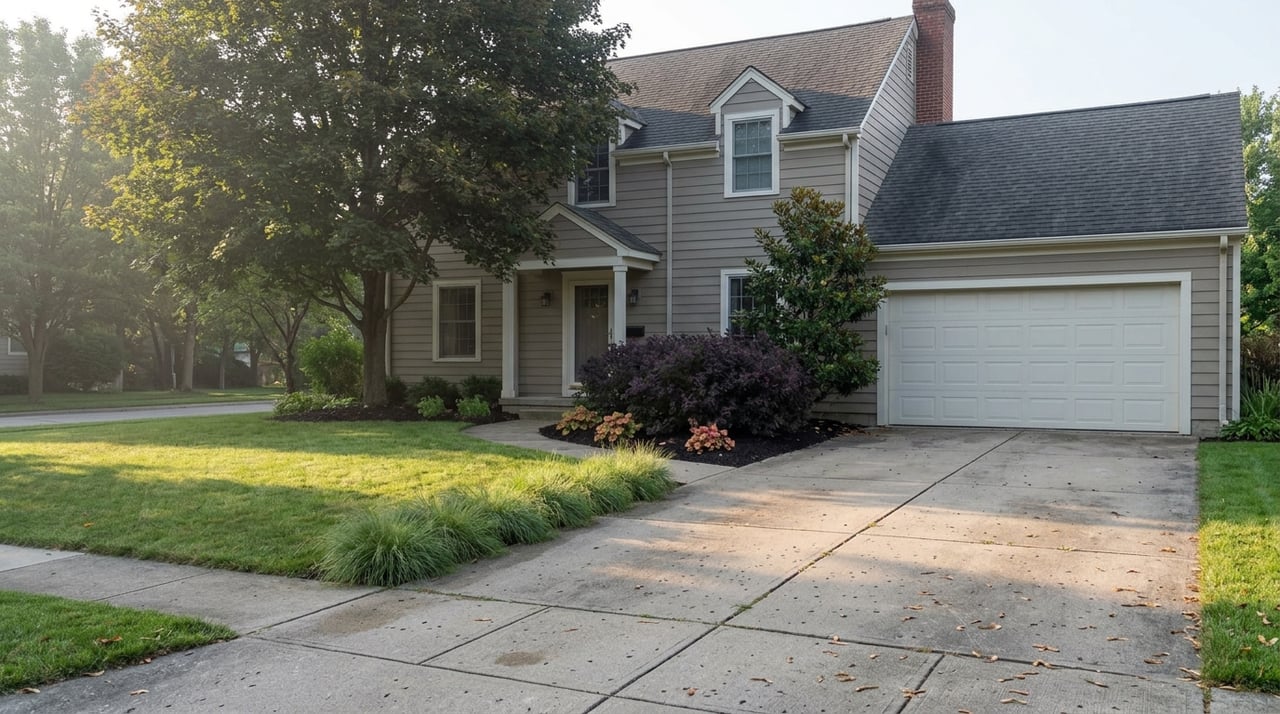
- Detached homes if you want more space and are comfortable with the highest price tier
This mix is part of why Bethesda can work for different stages of life. Whether you are moving from a DC apartment, looking for a low-maintenance ownership option, or trying to gain more square footage, there is more than one path here.
Pricing Is High and Varies by Area
As of January 2026, Realtor.com’s Bethesda market overview reports a median home price of $1,199,000, a median rent of $3,500, 291 homes for sale, 238 rentals, and a median of 73 days on market. The same source describes Bethesda as a balanced market, with homes selling for about 99% of list price on average.
That snapshot is useful because it shows a market that is active, expensive, and not one-dimensional. It also helps set expectations if you are coming from DC and trying to compare rent versus buy decisions.
Bethesda is also not one flat price band. The same Realtor.com overview shows meaningful differences by ZIP code, including a median home price of $624,950 in 20814, $849,500 in 20815, $1,472,500 in 20816, and $1,610,000 in 20817.
For you, that means the Bethesda search should not stop at the town name alone. A smart home search here depends on matching your budget, commute goals, and housing type preferences to the right part of the market.
The Data Confirms the Premium
If you are wondering just how expensive Bethesda is relative to a typical suburban move, the ACS data makes that clear. The Bethesda ACS profile reports a median value of $958,400 for owner-occupied homes.
The same report also shows that 45.7% of owner-occupied homes were valued at $1 million or more, while another 39.4% were valued between $500,000 and $999,999. In other words, the convenience Bethesda offers usually comes with a significant price tag.
What Daily Life in Bethesda Feels Like
Commute is only part of the decision. If you are moving from DC, lifestyle fit matters just as much because your weekday and weekend rhythm may change in ways that affect whether a move feels worth it.
Downtown Bethesda Supports a Car-Light Routine
One of Bethesda’s biggest lifestyle advantages is that its downtown core supports walking, dining, and errands in a compact area. WMATA’s Bethesda station page points out that the station is walking distance to Bethesda Row, which helps explain why the area feels more connected than a typical suburban setup.
That layout can make your weekdays easier. Instead of driving for every coffee run, dinner plan, or quick errand, you may be able to handle more of your routine on foot depending on where you live.
Dining and Retail Are Part of the Appeal
Bethesda’s downtown area offers a strong concentration of restaurants and retail. The research report notes that Bethesda Downtown Partnership describes the dining scene as diverse, with restaurants offering outdoor seating.
That gives Bethesda a more active street-level feel than people sometimes expect from a suburb. If you want a place where dinner, a casual meet-up, or a weekend outing does not always require getting in the car, this is one of Bethesda’s strongest selling points.
Outdoor Access Adds Flexibility
Bethesda’s lifestyle story is not only about dining and shopping. WMATA also highlights direct access to the Bethesda Trolley Trail and cycling connectivity toward Georgetown.
That is important if you want more variety in your daily routine. Walking, biking, transit, and outdoor time can all fit together here in a way that supports a more flexible lifestyle, especially for people who want to reduce how often they rely on a car.
Is Bethesda Worth It for DC Professionals?
For many professionals, the answer comes down to your priorities. If you want a direct Red Line commute, a walkable downtown, and a broader housing mix than you may find in DC’s core, Bethesda makes a strong case.
The trade-offs are just as clear. Housing costs are high, station parking is limited, and current Purple Line construction adds some short-term inconvenience around station access. Still, if your goal is to gain a more residential feel without losing practical city access, Bethesda remains one of the more compelling options in the close-in Maryland market.
The key is to look at Bethesda with a strategy, not just a wishlist. You want to compare commute style, budget range, and day-to-day lifestyle together so the move works not only on paper, but also in real life.
If you are weighing Bethesda against DC or other close-in Maryland options, Catrina Jackson can help you break down the numbers, the neighborhood trade-offs, and the best next step for your move. Let’s Connect.
FAQs
How long is the Metro commute from Bethesda to downtown DC?
- Direct Red Line trips are about 13 minutes to Dupont Circle, 17 minutes to Metro Center, and 22 minutes to Union Station, based on the research report’s Rome2Rio references.
What is the housing market like in Bethesda, Maryland?
- Bethesda is a high-cost market with a mix of condos, attached homes, and detached homes, and Realtor.com reported a median home price of $1,199,000 as of January 2026.
Is Bethesda, Maryland, a good fit for car-light living?
- Bethesda can support a more car-light routine because the Metro station is near downtown destinations, dining, retail, and the Bethesda Trolley Trail.
Are there parking options at Bethesda Metro station?
- Bethesda station does not offer daily parking, metered parking, or reserved parking, according to WMATA.
What should DC professionals know about Bethesda station construction?
- WMATA notes that Purple Line construction is currently affecting access around Bethesda station, with a new mezzanine connection planned for 2027.