Trying to decide between a classic DC rowhouse and a modern condo? You are not alone. Your choice shapes how you live, what you spend each month, and how easy your financing and resale could be. In this guide, you will get a clear, DC-specific comparison of costs, ownership rules, maintenance, financing checks, and neighborhood fit, plus a simple checklist to use on tours. Let’s dive in.
Rowhouse vs condo basics
A DC rowhouse is usually fee simple. You own the land and the structure. You control repairs, upgrades, and timing, and you are responsible for the exterior, roof, foundation, yard, and any systems that serve only your home.
A condo is a different legal structure governed by the DC Condominium Act. You own your unit plus a share of the building’s common elements, and the association manages and insures common areas. Before you buy, plan to review the declaration, bylaws, budget, reserve study, and meeting minutes. You can read the definitions and association powers in the DC Condominium Act for context at the D.C. Code. See the Condominium Act definitions.
Why this matters: in a rowhouse, you pay for and decide on exterior work yourself. In a condo, the association collects dues to fund building insurance, maintenance, and reserves. Rules about alterations, rentals, and building use can affect your lifestyle and your resale plan.
Costs: price and monthly budget
Purchase price patterns
In many DC neighborhoods, rowhouse and townhouse listings often trade at higher medians than condos, while condos can be a lower-cost entry point. Prices vary block by block, and renovated historic homes on prime streets can reach seven figures. The smartest move is to compare current neighborhood comps for both types before you decide.
HOA and condo fees in DC
Monthly carrying costs can shift the math. DC has one of the highest median condo or HOA fees in the country, with recent American Community Survey reporting around a median of about $505 per month. Actual dues range widely, from lower amounts in small walk-ups to over $1,000 in full-service towers with amenities. These fees typically cover the building’s master insurance policy, exterior and systems maintenance, staff, utilities for common areas, reserves, and amenities.
When you budget, treat HOA or condo dues as part of your housing payment. High monthly dues can reduce your loan qualifying power even if the purchase price is lower.
Property taxes and insurance
- Property taxes: DC’s Class 1 residential rate has been $0.85 per $100 of assessed value in recent years. Use DC’s Office of Tax and Revenue resources to understand your tax estimate, homestead deduction, and transfer and recordation tax rules. Review DC property tax basics.
- Insurance: Condo owners usually carry an HO-6 “walls-in” policy for their interior, personal property, liability, and a loss-assessment endorsement. The association’s master policy covers the building’s shell and common areas, but coverage levels vary. Rowhouse owners carry a homeowner’s policy (often HO-3) that covers the entire structure and lot. Confirm what the condo master policy covers so you do not leave gaps. Learn HO-6 vs HO-3 coverage basics.
Maintenance and control
A rowhouse gives you autonomy and design freedom. You choose contractors, finishes, and timing. The trade-off is responsibility. Older DC rowhouses can need roof, foundation, plumbing, electrical, or mechanical updates. If the property sits in a historic district, exterior work visible from public streets may require review.
A condo reduces day-to-day maintenance. The association handles common elements, coordinates major repairs, and maintains reserves. The trade-off is shared decision-making and building rules. Association health matters. Review reserves, insurance, owner occupancy, delinquency rates, and any active litigation. For general context on how DC handles condominium disputes and governance, see the Office of Administrative Hearings’ overview. Understand DC condominium governance.
Privacy, outdoor space, and parking
- Rowhouses often include private entries, front and rear yards, decks, and sometimes alley access. If you want a garden, grill space, or more privacy, a rowhouse checks those boxes. Some lots can support an accessory dwelling unit if zoning allows. If rental income or multigenerational living is a goal, read up on local ADU rules and confirm feasibility for the specific parcel. Get an overview of DC ADU rules.
- Condos typically offer balconies, shared roof decks, courtyards, package rooms, and bike storage. Newer buildings may include assigned parking, while older walk-ups often do not. Availability is highly neighborhood and building specific.
Financing and approval
Condo project eligibility checks
With a condo, your lender reviews both you and the building. FHA and VA loans require project-level approvals, and conventional lenders follow Fannie Mae and Freddie Mac rules. Projects with insufficient reserves, material deferred maintenance, high delinquency, or certain litigation can be ineligible, which can derail a loan. Confirm project eligibility early. You can search the HUD roster for FHA-approved condo projects. Check FHA condo project status. For how conventional lenders evaluate projects, review Freddie Mac’s guidance on condominium unit mortgages. See Freddie Mac’s condo guidance.
How dues affect qualification
Lenders count HOA or condo fees as part of your monthly housing payment when calculating debt-to-income ratios. A lower purchase price plus high dues can reduce how much you qualify for compared with a higher-priced fee-simple home with no dues. Build your budget using full monthly costs, not just principal and interest. See the CFPB’s budgeting guidance.
Resale and rental rules
Resale depends on location, condition, and the building or association’s record more than the label of rowhouse or condo. In some DC neighborhoods, historic rowhouses on strong blocks hold value very well. In others, amenity-rich condos close to Metro and retail see robust demand. Your best move is to compare recent comps and the association’s financials if you are buying a condo.
If you plan to rent, check two layers of rules. First, condo bylaws often limit subletting or short-term rentals. Second, DC requires short-term rental licensing and tax compliance. Noncompliance can lead to fines. Review a summary of DC short-term rental licensing requirements.
Neighborhood fit across DC
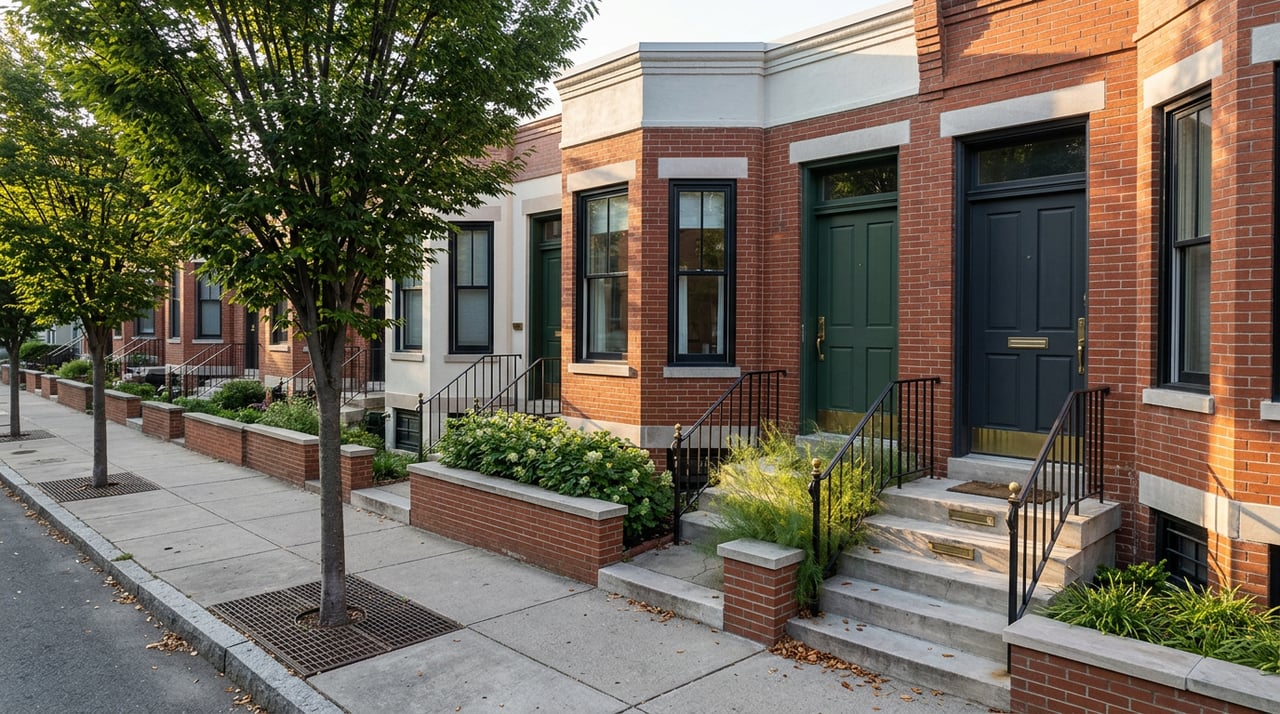
- Where rowhouses cluster: You often find historic or early 20th-century attached homes across Capitol Hill, Logan Circle, Dupont Circle, Bloomingdale, LeDroit Park, Shaw, Columbia Heights, Petworth, and many Near Northeast and Southeast blocks. These areas mix historic facades with private outdoor space.
- Where condos concentrate: Downtown and Penn Quarter, Navy Yard and Capitol Riverfront, The Wharf, parts of Foggy Bottom, and mixed-use corridors like 14th Street and 9th Street offer more mid-rise and high-rise buildings with elevators and amenities.
Your best fit may come down to your daily routine, commute, and how much you value private space versus building services. Walk the blocks, note sound and light at different times of day, and compare total monthly costs.
Decision checklist
Use this list on tours and during your review period.
For both property types:
- Verify the current property tax amount and whether the homestead deduction applies. Check DC tax info.
- Ask for recent utility and maintenance bills to estimate the true monthly cost.
- Budget for a maintenance reserve. Many homeowners set aside 1 to 2 percent of the home’s value per year for upkeep.
For condos:
- Request the condo resale package: declaration, bylaws, rules, current budget, last audited financials, recent meeting minutes, reserve study, master insurance declarations, owner-occupancy rate, delinquencies, and any litigation or pending special assessments.
- Confirm loan eligibility early if you plan to use FHA, VA, or low down payment conventional financing. Use HUD’s lookup to verify FHA approval. Search the FHA condo list.
- Review the master insurance deductibles and coverage to align your HO-6 policy.
For rowhouses:
- Order a thorough home inspection focused on roof, foundation, drainage, plumbing, electrical, and mechanical systems.
- Pull permit history and check for any stop-work orders or code issues.
- If in a historic district, plan for review of exterior changes visible from public ways. That process can affect timelines and design choices. See DC’s HPRB/HPO notices and guidance.
Which one fits you?
Choose a DC rowhouse if you want:
- More control over renovations and exterior design.
- Private outdoor space and a more independent entry.
- The potential to add an ADU where zoning allows.
Choose a DC condo if you want:
- Lower day-to-day maintenance with building-managed systems.
- Amenities like a gym, concierge, or a roof deck.
- A location with newer construction and elevator access.
Still deciding? A side-by-side comparison of your top two or three options, including full monthly costs, rules, and financing eligibility, will make the answer clear.
Ready to map this to your budget and lifestyle? Let’s connect for a focused consult and neighborhood game plan with an experienced DC broker. Reach out to Catrina Jackson to get started.
FAQs
Is a condo cheaper than a rowhouse in DC?
- Often the purchase price for condos is lower, but higher monthly dues can narrow or erase the difference. Compare your full monthly cost before deciding.
How do DC condo fees affect my loan approval?
- Lenders count HOA or condo dues in your monthly housing payment, which can reduce your qualifying amount compared with a fee-simple home with no dues.
Can I use FHA or VA for a DC condo purchase?
- Maybe. The building must meet agency requirements. Check project eligibility early to avoid financing delays or ineligible properties.
What insurance do I need for a condo versus a rowhouse?
- Condos use an HO-6 policy that covers interior finishes, belongings, and liability, while the association insures the building shell. Rowhouses typically use an HO-3 policy for the entire structure and lot.
How do historic-district rules affect DC rowhouse renovations?
- Exterior changes visible from public streets often require review and approval, which can add time and design constraints. Plan this into your schedule and budget.
What should I check if I want rental income from my DC home?
- Confirm condo bylaws for rental limits, and review DC’s short-term rental licensing and tax requirements. Build any fees and timelines into your plan.