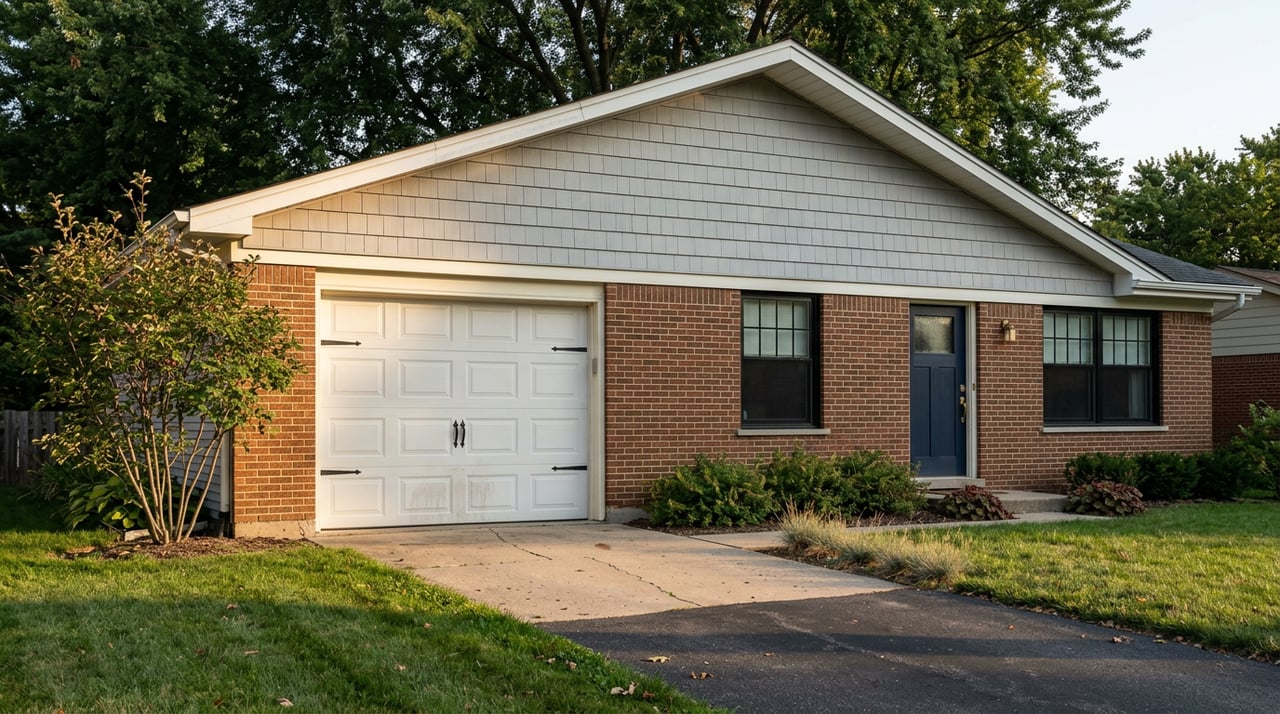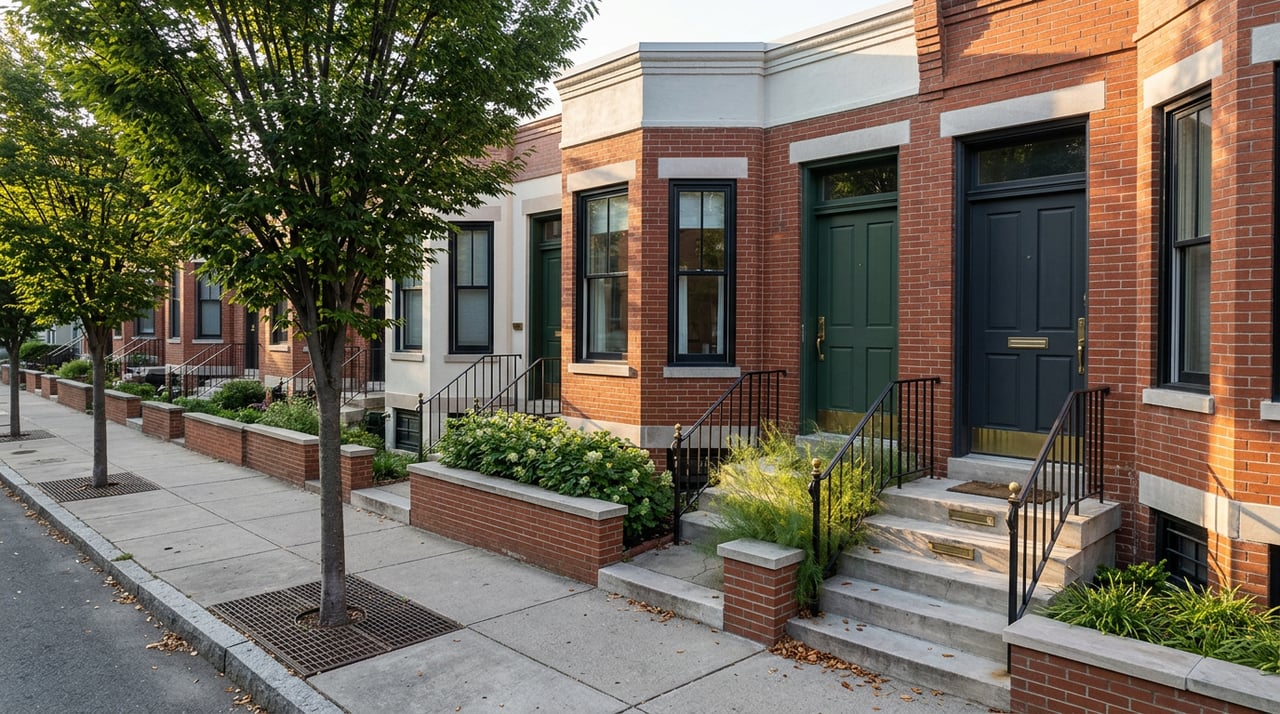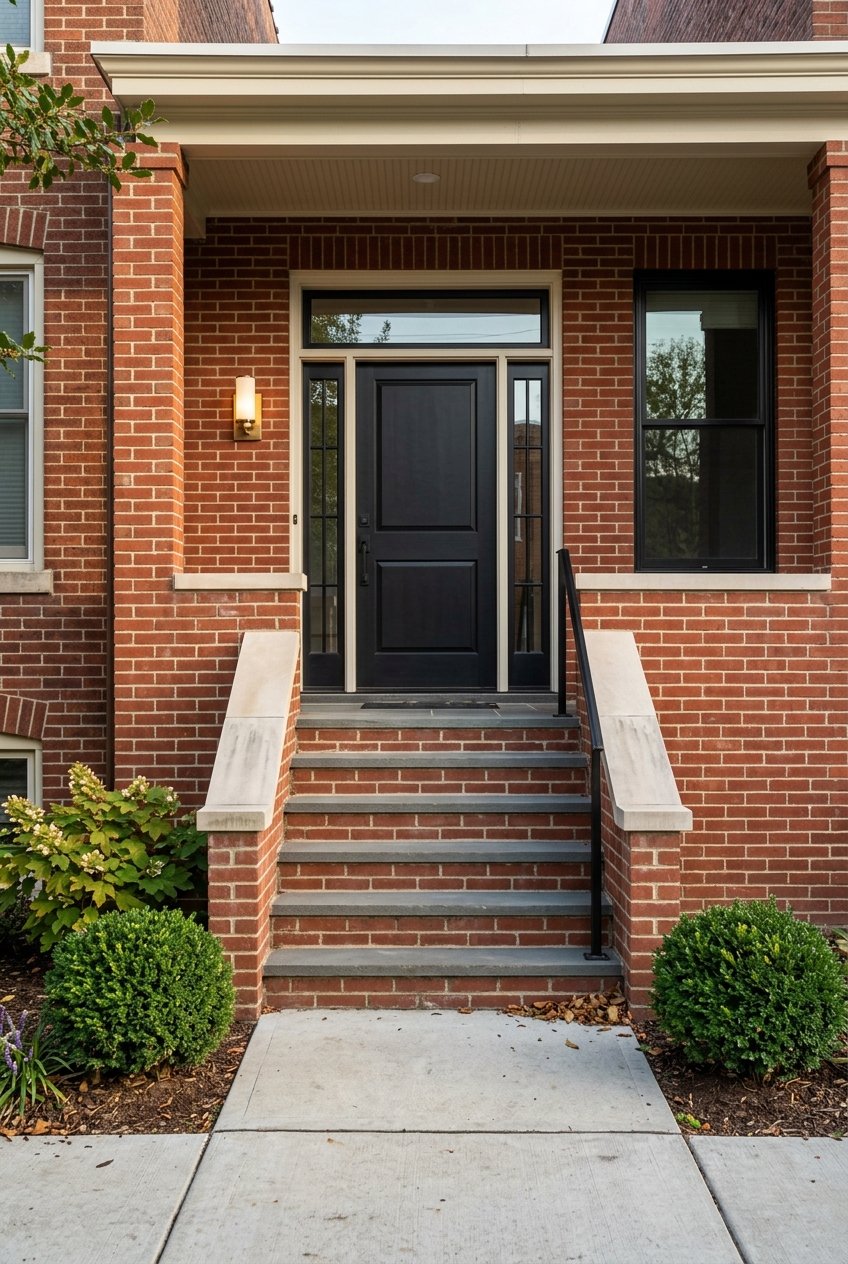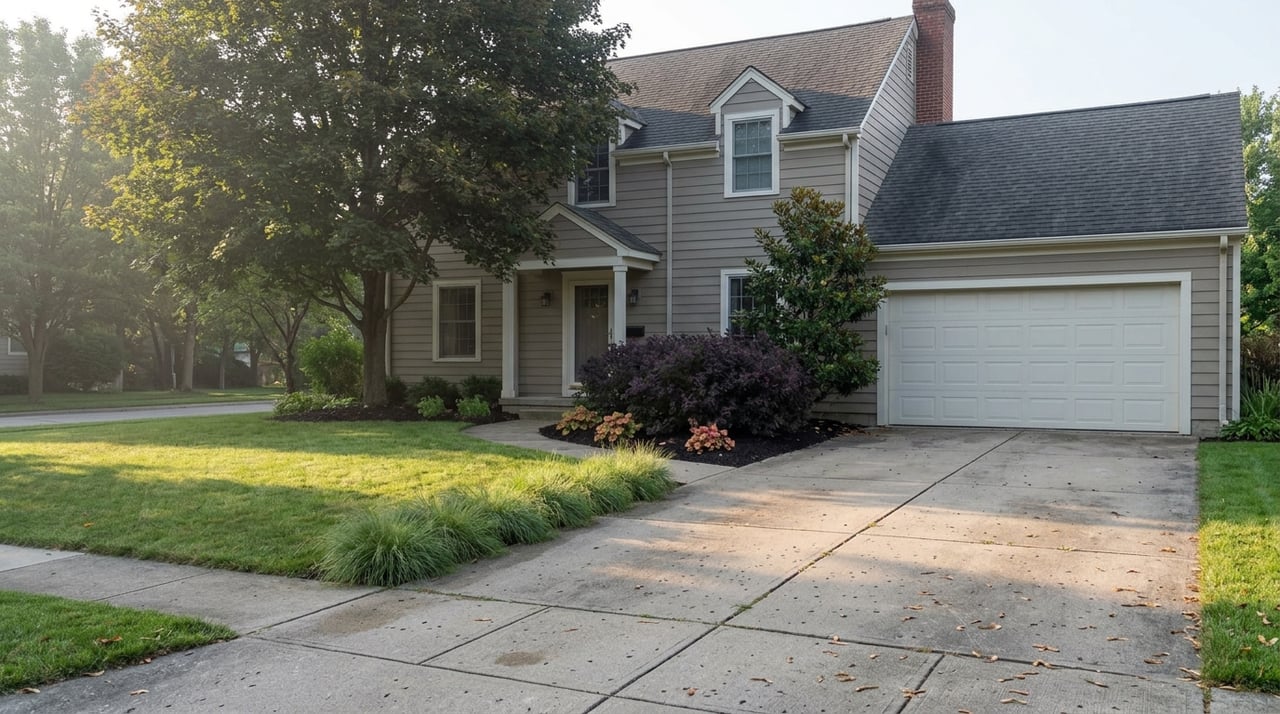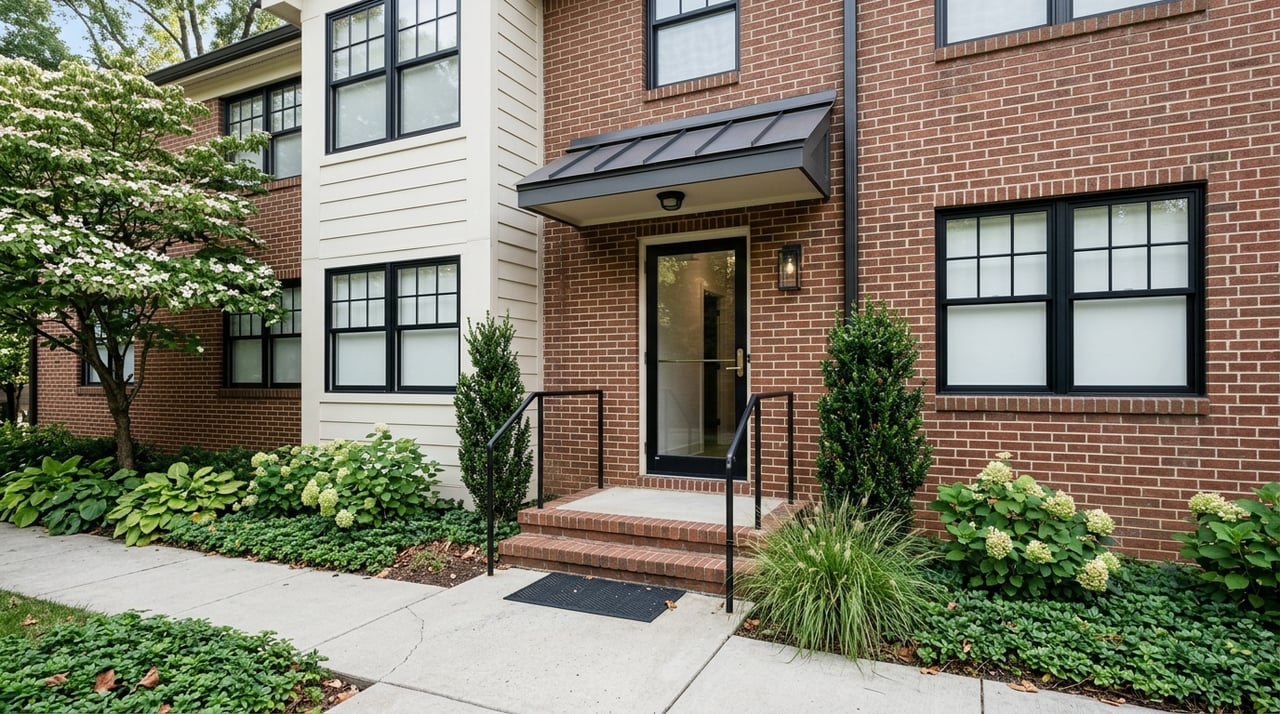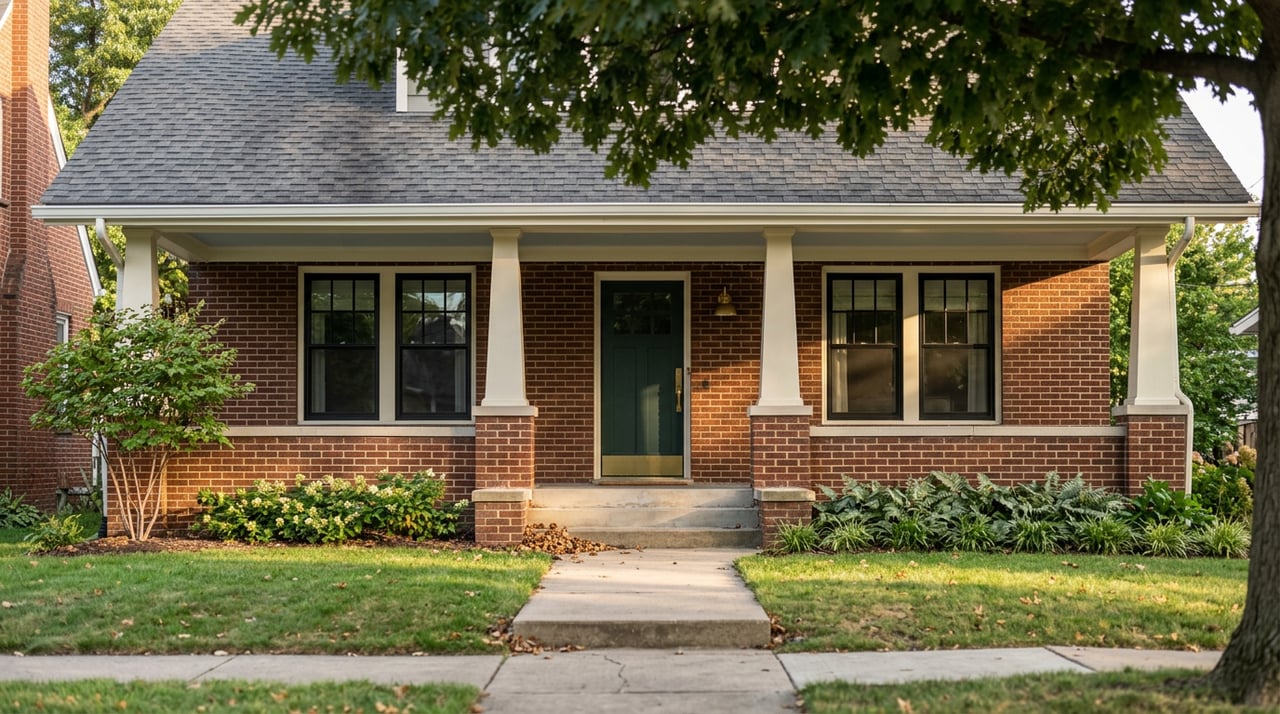
In March 2026, a five-bedroom, three-and-a-half-bath duplex in Arlington's North Highlands neighborhood sold for $1,610,000. Its next-door neighbor, a four-bedroom, three-and-a-half-bath single-family home, sold in December for $1,615,000. Same block, five thousand dollars apart, and two completely different products. One house was built as two full units on a single lot under a zoning change that allows it. The other is a standalone single-family home that could, depending on how the next several months play out in Richmond, become the same kind of subdividable lot itself, or stay locked as one house permanently.
That is not a clean comp. It is two different bets on the same street, priced almost identically by coincidence rather than by any shared logic. And it is a good reason to be skeptical of whatever number a portal hands you as "Arlington's median home price" right now, because that single figure is doing very little to describe what a specific block, or a specific house, is actually worth.
A Lawsuit Is Quietly Setting Prices Block by Block
In March 2023, the Arlington County Board voted unanimously to allow by-right construction of up to six housing units on lots that had been zoned exclusively for single detached homes, an ordinance the county calls Expanded Housing Options and most residents call Missing Middle. The county's own study projected the change would add a modest 94 to 108 new middle-housing units and roughly 1,500 new residents over ten years. Within about eighteen months, the county had issued 45 permits under the new rule.
Then, in September 2024, a group of nine homeowners calling themselves Neighbors for Neighborhoods won a circuit court ruling that voided the ordinance from its inception, freezing every project that had permits in hand mid-construction. One builder with a Claremont project already underway had framed the walls, finished the kitchens, and set the countertops before the freeze hit.
The Virginia Court of Appeals reversed that decision in June 2025, but on the narrowest possible grounds: the homeowners had not named the developers who actually held the permits, so the case had to restart with the right parties included. That put EHO back in force. As of April 2026, the county had approved nine more EHO projects totaling 40 units since the reversal, on top of the original 45, and the county's permitting dashboard listed 59 EHO projects in some stage of the pipeline, though a handful had already pivoted back to single-family plans by builders unwilling to bet on the outcome.
Then, on May 19, 2026, the Virginia Supreme Court agreed to take the case up. The plaintiffs expect a trial within three to six months of that order, which puts a resolution somewhere between right now and this coming November. The court is not even deciding whether Missing Middle is legal. It is deciding a procedural question about who has to be named in the lawsuit. Whatever it rules, both sides expect the fight to continue past that.
Same Block, Two Logics
| 5-bed EHO duplex, North Highlands | 4-bed single-family, next door | |
|---|---|---|
| Sale price | $1,610,000 (March 2026) | $1,615,000 (December 2025) |
| Product | Two units on one lot, built under EHO | One house, one lot, no redevelopment |
| What the buyer priced | Land, construction, and zoning certainty | Land and structure, zoning status still pending |
What the Median Is Actually Averaging Together
Zoom out from one street to the county-wide numbers, and the same blurring shows up. For the three months ending May 2026, the median sale price across Arlington reached $835,000, up 4.4 percent from a year earlier, with homes averaging 28 days on market and drawing roughly three offers each. A separate home-value index for the same window told a different story: an average value of $824,859 as of May 31, 2026, down 0.6 percent over the past year. Both figures are accurate. One measures what actually closed. The other smooths an estimate across every home whether it sold or not. The gap between them is a small preview of the same problem happening at a larger scale: average one number out of a market moving in two directions and the story disappears into the middle.
Split by product type and the divergence gets sharper. Detached single-family homes in Arlington were averaging around $1.4 million in early 2026, while condos were averaging closer to $475,000, a spread wide enough that "the median" tells a buyer almost nothing about what they will actually be competing for. Condos declined roughly 7.4 percent through 2025 and were projected to recover only modestly, around 2.1 percent, through 2026. Townhomes were expected to see steadier appreciation, closer to 1.9 percent, the kind of quiet stability that never makes a headline but matters enormously if a townhome is what a buyer is actually shopping for.
Amazon's HQ2 presence plays into this less dramatically than it once did. The initial announcement drove years of price spikes near Crystal City. Heading into 2026, that effect is described as maturing into a steady, ongoing demand driver rather than the kind of shock that moves a median overnight, which means buyers comparing Arlington to other DMV neighborhoods should expect sustained demand from an employment base already priced in, not another spike.
The Submarket Question Nobody's Median Answers
Arlington's zoning map is not uniform, and neither is the redevelopment pressure sitting on top of it. North Arlington carries an older housing stock on larger lots, the kind of parcel most likely to attract an EHO teardown if the zoning holds. Crystal City and the area now branded National Landing sit closest to Amazon's campus and have absorbed most of the county's newer high-rise and mixed-use construction. Columbia Pike remains the corridor where existing density and rental demand keep prices more accessible than the rest of the county.
None of that shows up in a single median. A buyer comparing a $1.4 million detached home in North Arlington to a $475,000 condo near Columbia Pike is not comparing two prices in one market. They are comparing two different products in two submarkets moving on different timelines, one of which still has an unresolved lawsuit hanging over its long-term zoning.
What This Means If You're Comparing Arlington to Somewhere Else
For a buyer or investor weighing Arlington against another DMV neighborhood, the useful question is not "what's the median." It is whether the specific lot in front of you sits inside or outside the current EHO pipeline, and whether that status can be confirmed with a permit number rather than guessed at from a listing photo. A single-family home on a standard lot in North Arlington might carry real redevelopment upside if EHO survives Supreme Court review, or it might simply stay a single-family home if the ordinance is later narrowed or struck down on the merits. That is exactly the kind of detail worth checking against the county's public dashboard before anyone writes an offer.
For sellers, the same logic cuts the other way. A house that can plausibly be marketed as EHO-eligible right now, while the ordinance is in force and permits are still being issued, may carry more value to a builder-buyer than it will if the litigation eventually shuts the door. Timing a listing around a pending Virginia Supreme Court case is not something most sellers think about. In Arlington right now, it is one of the more concrete levers actually available.
Three Questions Worth Asking Before You Compare Arlington to Anywhere Else
Does the lawsuit affect homes already built under EHO? No. The legal fight concerns whether the county can keep issuing new permits and approvals going forward. Duplexes and multi-unit buildings already completed and sold, like the ones in North Highlands and Claremont, are not being unwound by the litigation.
Could Missing Middle zoning spread to other DMV jurisdictions? That part is genuinely unresolved. How Arlington's case lands is being watched by other Northern Virginia jurisdictions weighing similar density changes, and the outcome could either encourage neighboring counties to follow or convince them to hold off.
How do I check whether a specific Arlington lot has EHO eligibility? Arlington County maintains a public permitting dashboard that tracks EHO applications and approvals by property. Checking a specific address against that dashboard before making an offer is a far more reliable read than assuming based on the neighborhood alone.
None of this makes Arlington a market to avoid. It makes it a market where the headline number is doing less work than usual, and where knowing which side of a pending lawsuit a specific block sits on matters as much as knowing the walk to the Metro. If you're weighing Arlington against another DMV neighborhood, or trying to figure out what a specific lot's zoning status actually means for your offer, Catrina Jackson can walk through the permitting details street by street. Let's Connect.